

Trees, mountains, and ecosystems that outlived civilizations
Introduction – time moves on, nature plays by different rules
We’re used to thinking of time in human terms. Years. Centuries. Dates in history books. It’s convenient that way: a civilization appears, reaches its peak, then fades out. Clean. Logical. Human.
But step away from cities for a moment. Stop looking at ruins and start looking at the Earth itself and that logic starts to fall apart.
There are trees that were already mature when the Egyptian pyramids were being built. There are mountains hundreds of millions of years old – so ancient that all of human history looks like a brief footnote next to them. And there are ecosystems that survived climate shifts, ice ages, and mass extinctions.
This isn’t poetry. It’s scale.
Trees that outlived civilizations
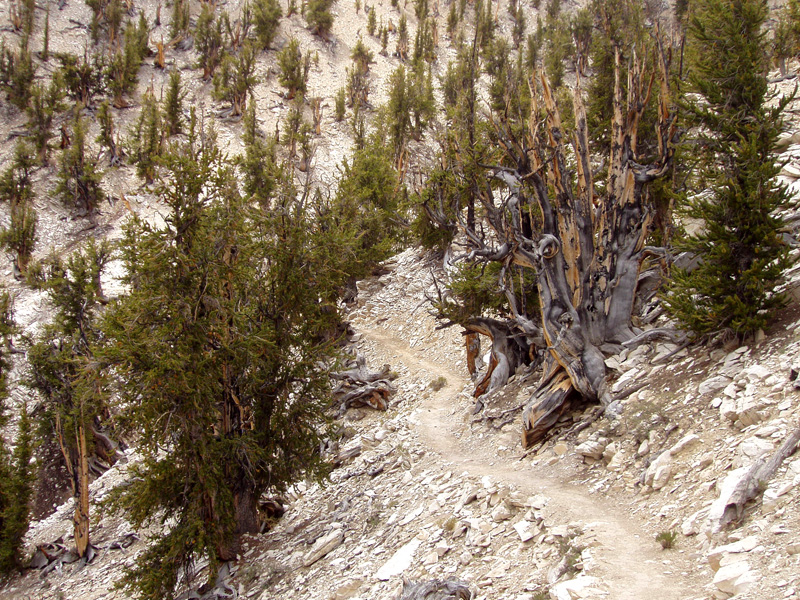
Bristlecone pine – almost 5,000 years in one place
High in the White Mountains of eastern California grow bristlecone pines (Pinus longaeva). These aren’t legends or myths – they are officially among the oldest living trees on Earth, confirmed by science.
The most famous one is known by the name Methuselah. Its age is estimated at around 4,850 years, meaning it started growing roughly in 2830 BCE.
Put that into historical context and the gap becomes obvious. At that time, pyramid construction in Egypt was just beginning, writing was still rare, and places like Rome, Athens, or China as we know them simply didn’t exist yet.
The secret to their longevity isn’t strength – it’s conditions. These trees grow above 3,000 meters in cold, dry, windy environments. Growth is painfully slow, sometimes less than a millimeter per year. But that slow pace creates incredibly dense wood, highly resistant to decay. Time has very little to work with.
General Sherman – the most massive tree on Earth
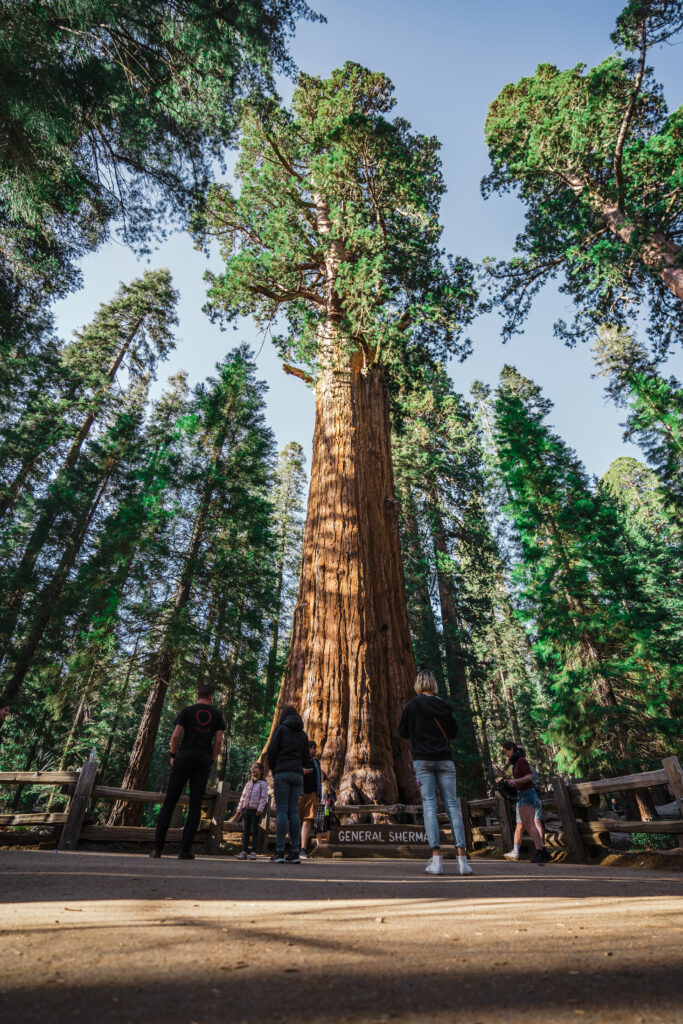
By Clementp.fr – Own work, CC BY-SA 4.0, https://commons.wikimedia.org/w/index.php?curid=133084171
Giant sequoias (Sequoiadendron giganteum) grow in only one region on the planet: the western slopes of California’s Sierra Nevada.
The most massive tree in the world is the General Sherman Tree, located in Sequoia & Kings Canyon National Parks. Its age is estimated between 2,200 and 2,700 years.
By the time General Sherman was already a full-grown tree, the Roman Republic existed in Europe, the Han dynasty ruled China, and Christianity had not yet appeared.
At about 83 meters tall and with a trunk volume exceeding 1,480 cubic meters, this tree isn’t symbolic or metaphorical. It’s raw biology operating on a timescale we rarely think about.
Jōmon Sugi – Japan’s oldest known tree
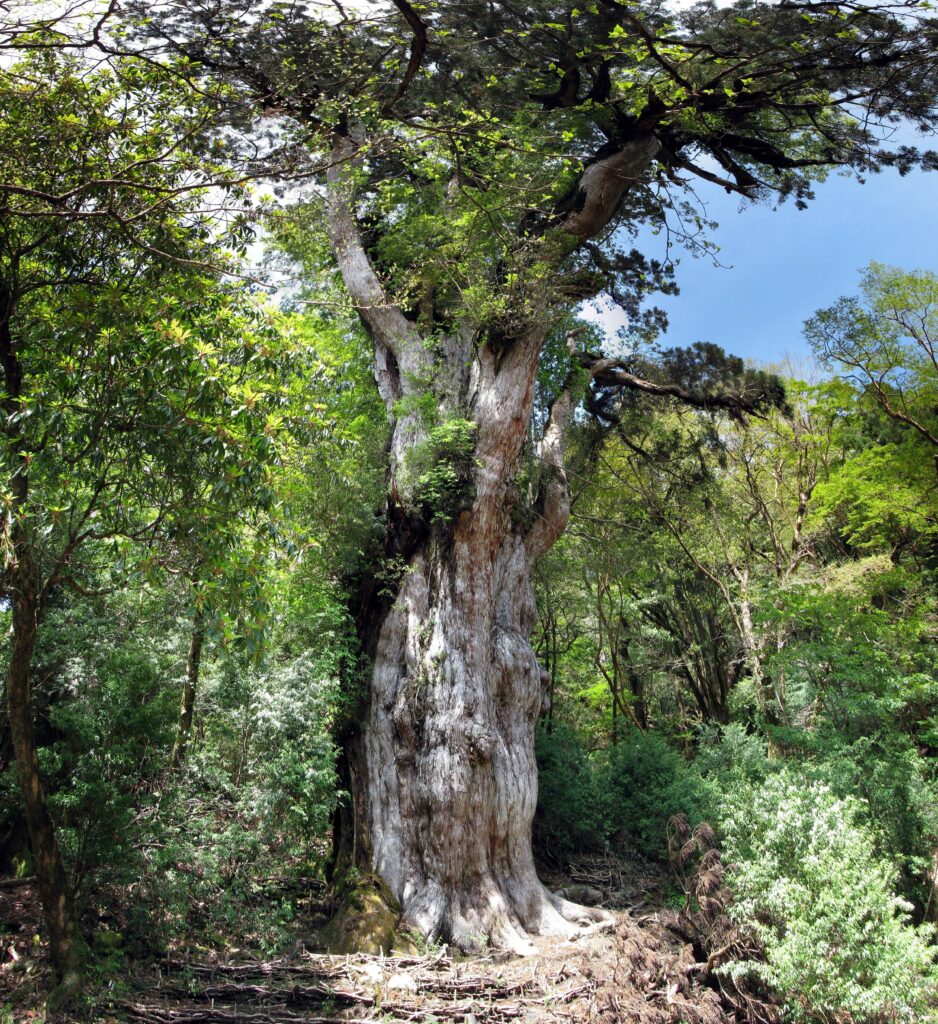
By Chris 73 / Wikimedia Commons, CC BY-SA 3.0, https://commons.wikimedia.org/w/index.php?curid=4088699
On Yakushima Island in Japan stands Jōmon Sugi, an ancient cedar whose age is estimated anywhere between 2,000 and 7,200 years. Even the most conservative estimates make it older than Japan’s written history.
The tree is so significant that it gave its name to an entire prehistoric period – the Jōmon culture.
Mountains for which civilizations are just a moment
The Ural Mountains – older than dinosaurs
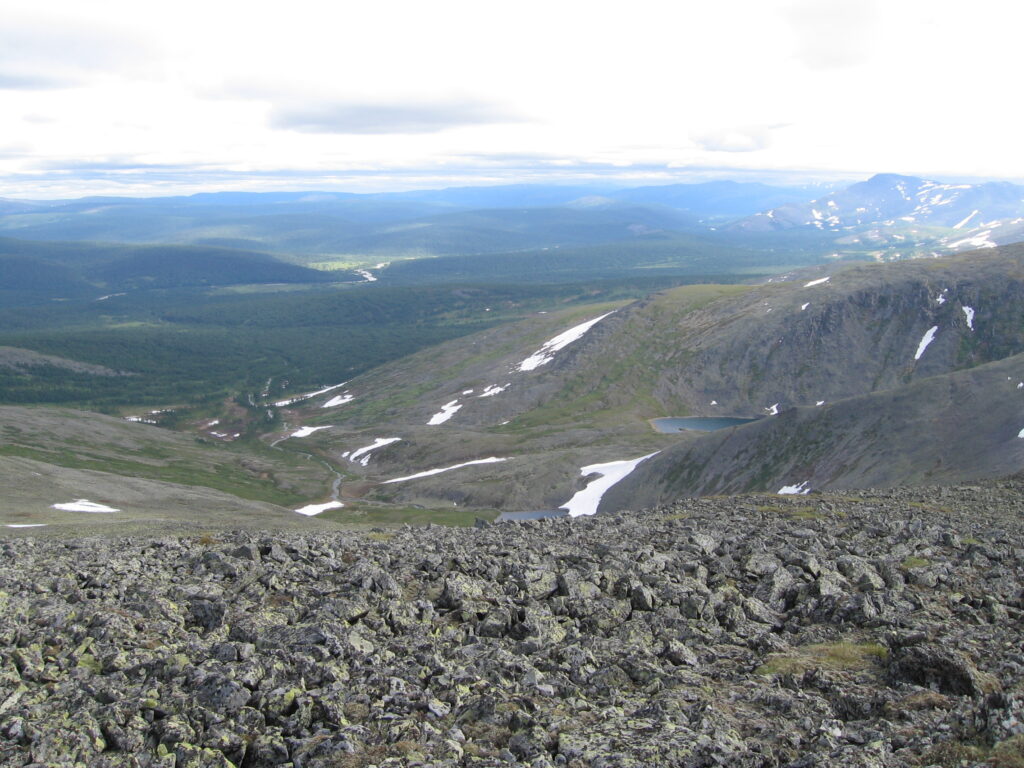
By ugraland [1] from Moscow, Russia – Flickr, CC BY 2.0, https://commons.wikimedia.org/w/index.php?curid=2183231
The Ural Mountains are estimated to be 250 – 300 million years old. They formed long before dinosaurs existed and long before continents took on their modern shapes.
When the Urals were already ancient, there were no dinosaurs, no birds, no flowering plants. Life was only beginning to establish itself on land.
Against that backdrop, all of human civilization fits into a very thin layer of time.
The Appalachians – shaped by time
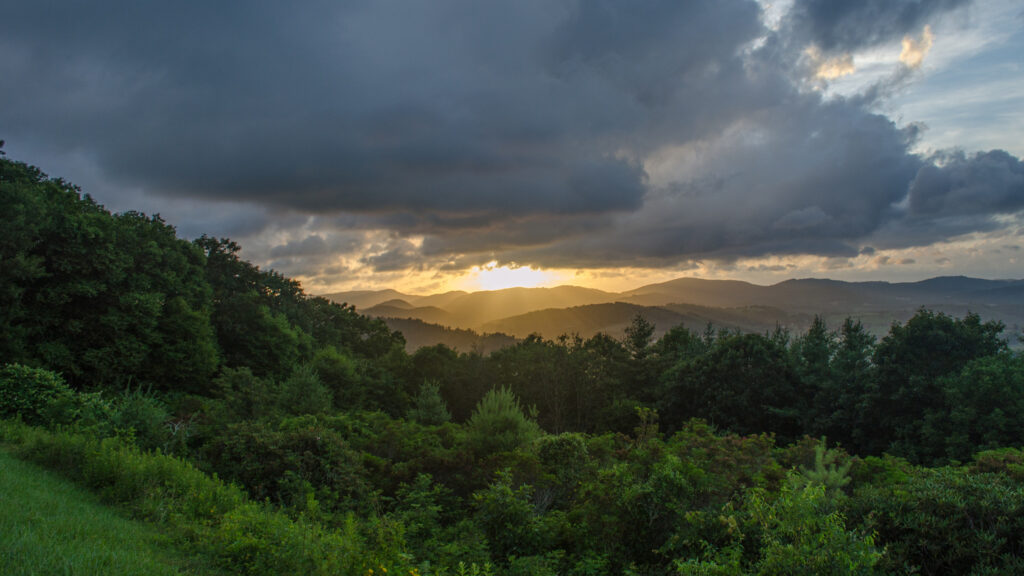
By J Guth – Imported from 500px (archived version) by the Archive Team. (detail page), CC BY-SA 3.0, https://commons.wikimedia.org/w/index.php?curid=71353461
The Appalachian Mountains in North America are even older – more than 480 million years. At one point, they may have rivaled today’s Himalayas in height.
Today, they look softer and lower. That’s not weakness. That’s survival. They didn’t disappear – they endured.
Ecosystems that have existed for millions of years
The Great Barrier Reef
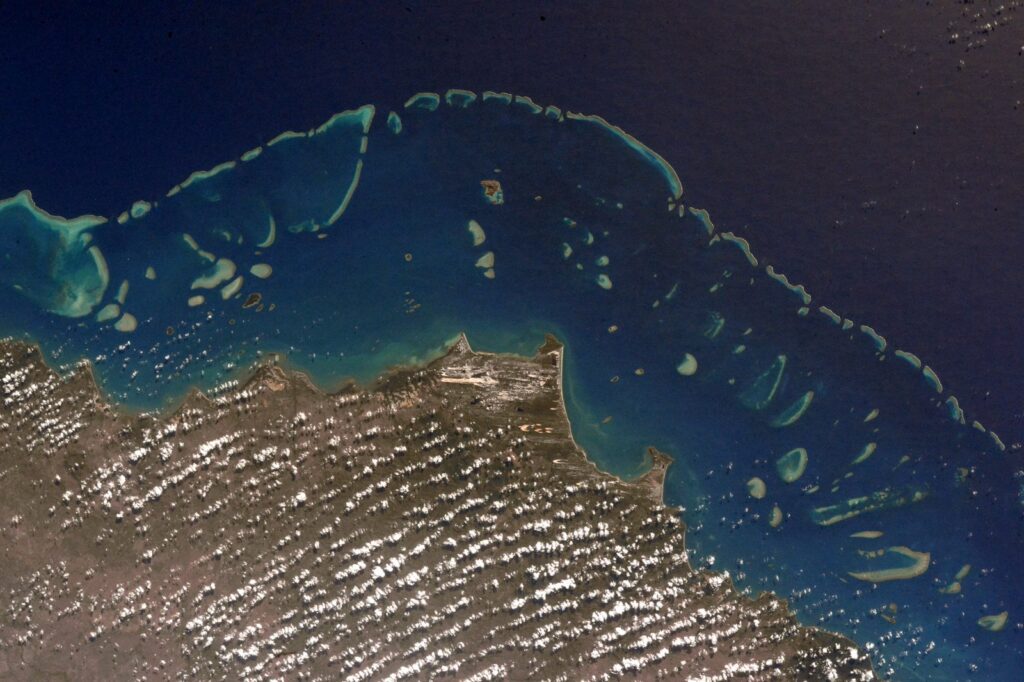
The Great Barrier Reef off the coast of Australia has existed for roughly 20 million years. It is the largest living structure on Earth not built by humans.
Over that time, it has survived ice ages, dramatic sea-level changes, and multiple mass extinction events.
The Amazon rainforest
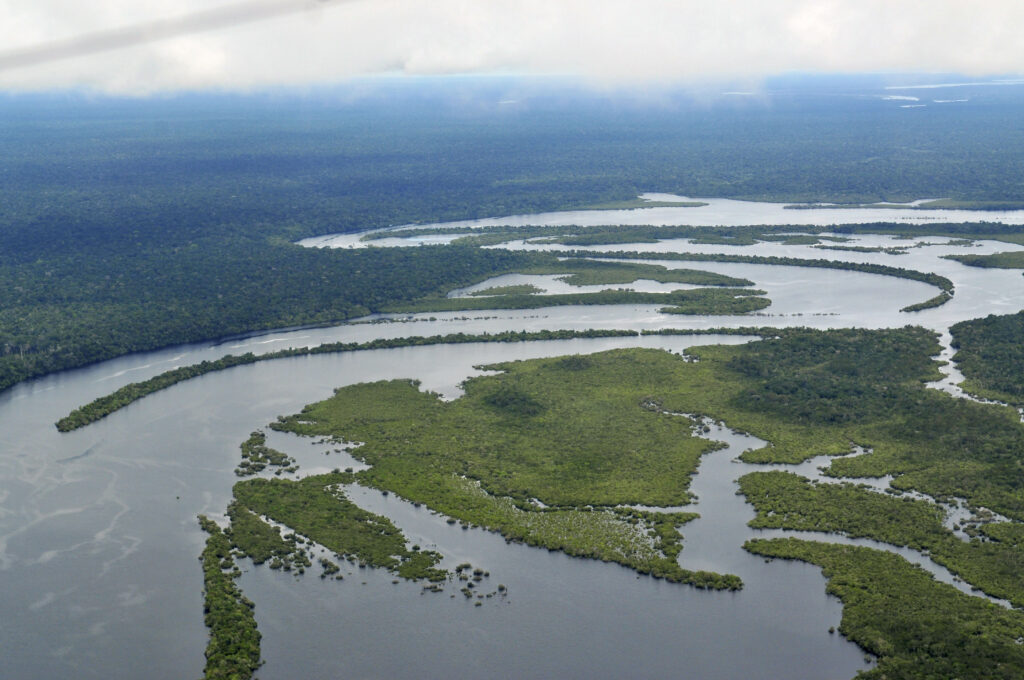
By CIAT – Amazon17, CC BY-SA 2.0, https://commons.wikimedia.org/w/index.php?curid=30331017
The Amazon rainforest is estimated to be about 55 million years old. It formed long before humans appeared and still plays a major role in regulating Earth’s climate today.
More ancient witnesses of time
African baobabs – trees that store centuries
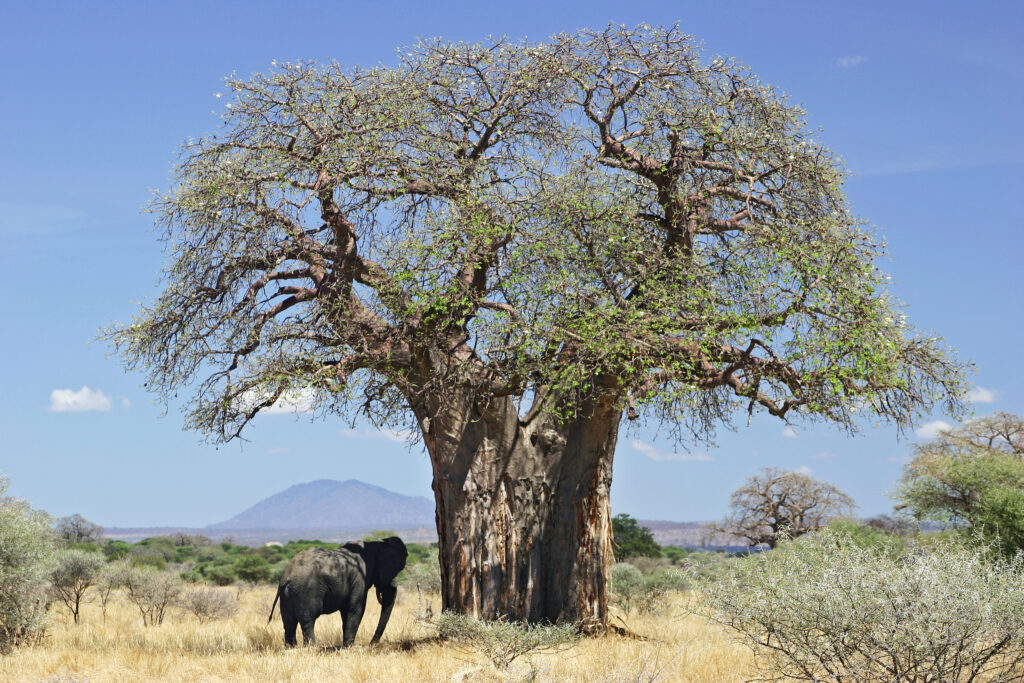
Author: Ferdinand Reus from Arnhem, Holland. Two old ones, CC BY-SA 2.0, https://commons.wikimedia.org/w/index.php?curid=2615710
Baobabs (Adansonia) are among the most unusual trees on the planet. Some specimens in southern Africa and Madagascar are 2,000 – 3,000 years old.
Because baobabs don’t form traditional growth rings, their age is determined through radiocarbon dating. Studies published in 2018 confirmed that several of the largest baobabs began growing around 1000 BCE.
The Himalayas – young in geology, ancient in scale
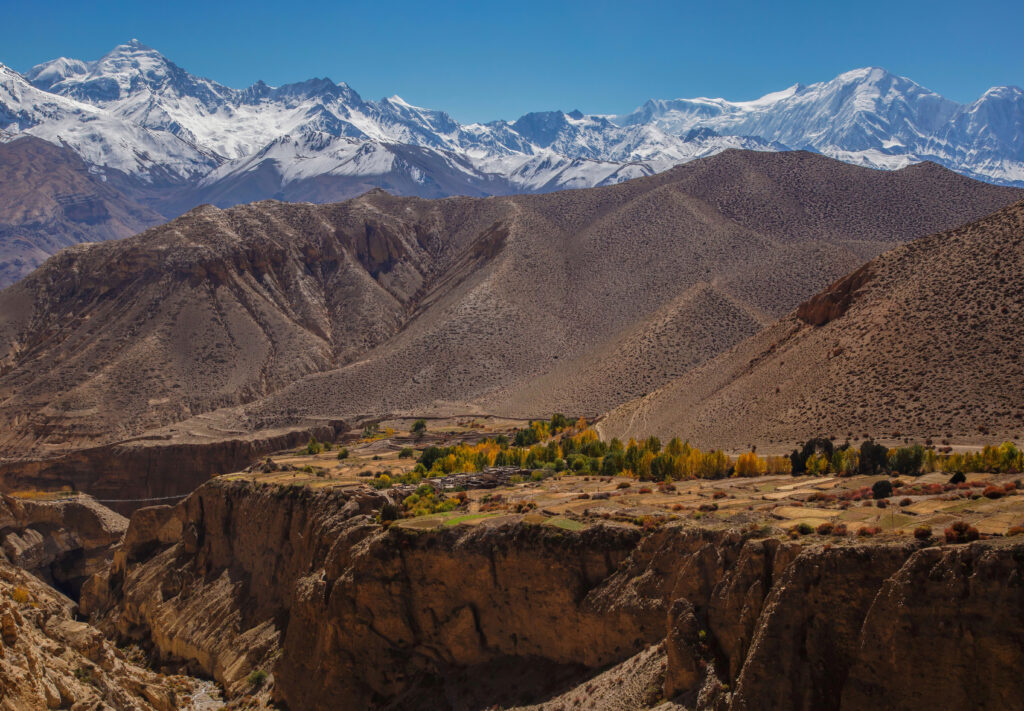
The Himalayas began forming about 50 million years ago when the Indian tectonic plate collided with Eurasia.
Even as “young” mountains by geological standards, they existed long before humans. Today, they continue to rise by roughly 5 millimeters per year, making them one of the rare places where geological time is still visibly unfolding.
Antarctic glaciers – Earth’s climate archives
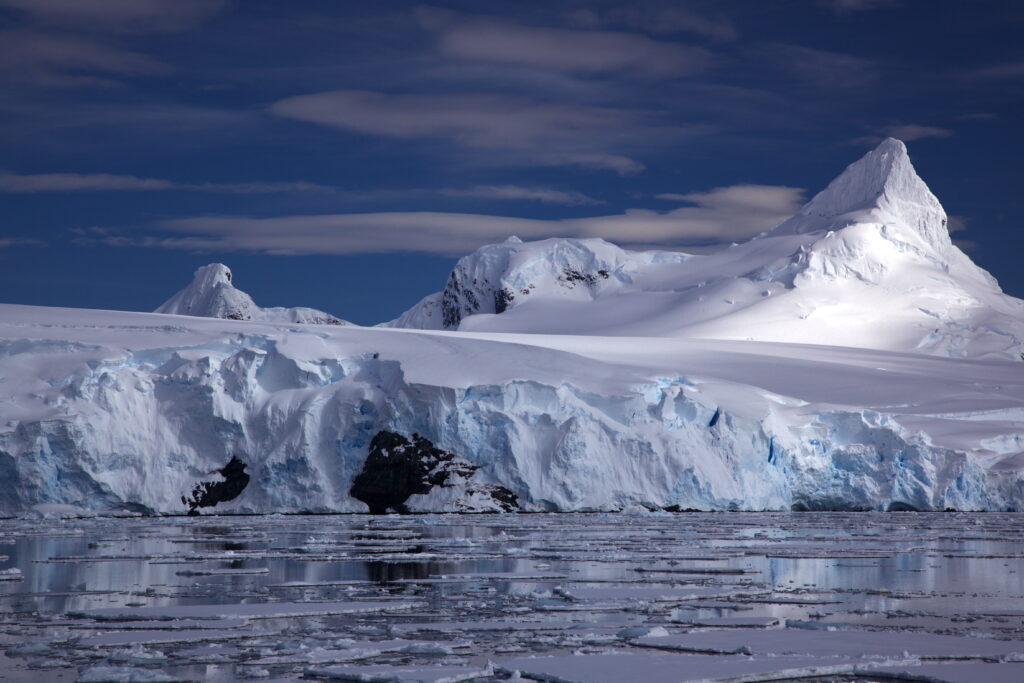
By Jason Auch – originally posted to Flickr as IMG_0369, CC BY 2.0, https://commons.wikimedia.org/w/index.php?curid=9708400
Antarctica’s ice sheet has been forming for about 34 million years. Trapped within the ice are air bubbles up to 800,000 years old, allowing scientists to directly study ancient atmospheres.
Geography and scale – numbers that reset perspective
Bristlecone pines grow at elevations between 3,000 and 3,500 meters above sea level. The Amazon rainforest covers roughly 5.5 million square kilometers. The Great Barrier Reef stretches over 2,300 kilometers. The Appalachian Mountains run for nearly 2,400 kilometers.
These aren’t just objects. They are entire worlds.
Putting human history into perspective
A few comparisons are enough to shift perspective. The Amazon rainforest is over 50 million years older than agriculture. The Appalachians existed hundreds of millions of years before the first cities. Jōmon Sugi was already growing when Europe’s megaliths were being built. Many baobabs were old when Rome was only beginning to expand.
Human history is a thin layer resting on a massive natural foundation.
Conclusion – nature doesn’t argue with time
Civilizations struggle against time. Nature coexists with it.
Trees, mountains, glaciers, and ecosystems don’t try to be eternal. They simply exist long enough to outlast almost everything we call history.
And maybe that’s the quiet lesson here: resilience doesn’t always look like power. Sometimes it just looks like patience.
👉 Want to explore more? Read our article on Unusual Natural Records of Our Planet.
👉 Want more stories like this? Join our Telegram channel Wonderful World