
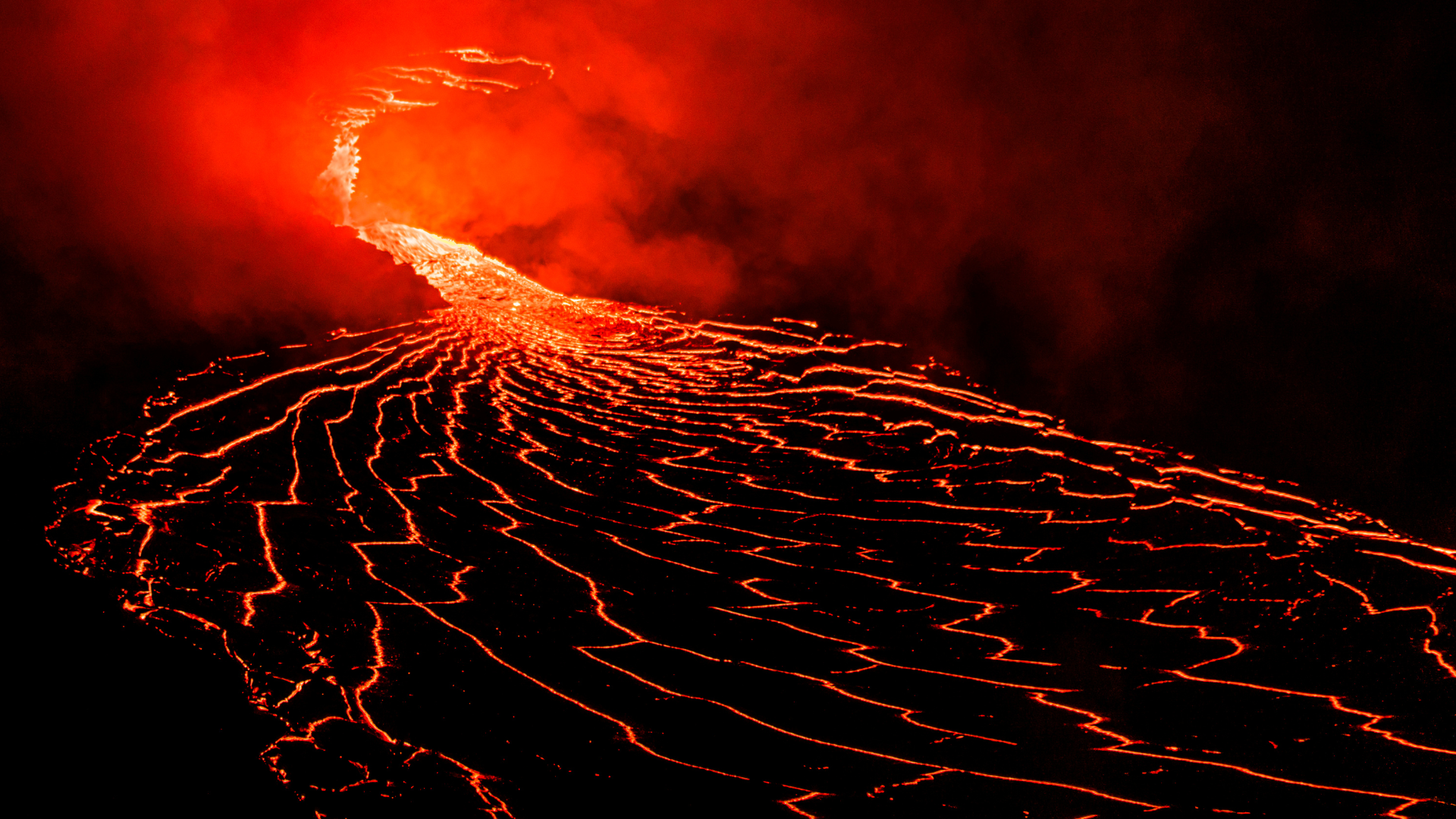
When the Earth Begins to Breathe
There are places where the planet reminds us it’s alive. Volcanoes are the Earth’s breath – they inspire awe and fear, destroy cities and create new lands. For centuries people have watched their fiery hearts with reverence, weaving myths to explain their power.
Vesuvius – The City Frozen in Time
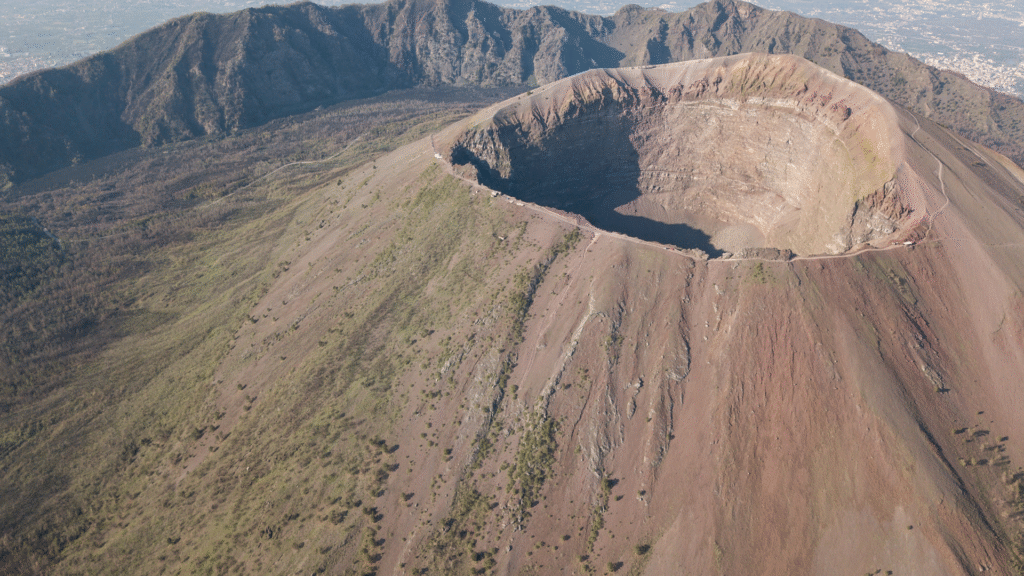
In 79 AD, the morning in Pompeii began like any other – merchants shouting, the smell of bread, life in full motion. By evening, silence. Vesuvius erupted, turning daylight to night and burying Pompeii and Herculaneum beneath six meters of ash.
For nearly 1 700 years, the city slept untouched until archaeologists uncovered it in the 18th century. People, frescoes, cups – everything preserved as if time had stopped. Today, the volcano still smokes quietly above Naples, a reminder that history here lies only one tremor below the surface.
Etna – The Forge of the Gods
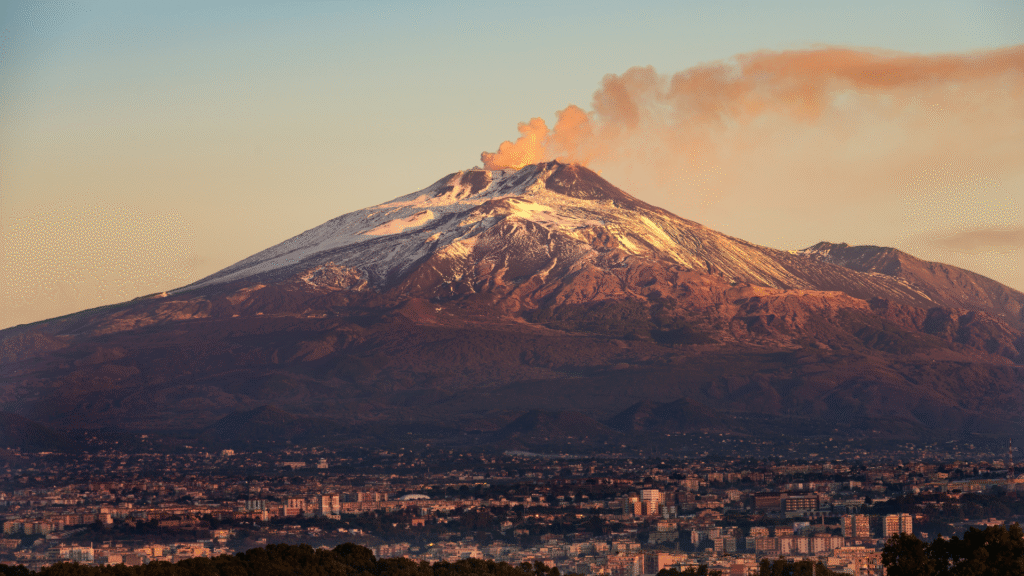
Etna, on the island of Sicily, is one of the world’s most active volcanoes. To the ancient Greeks, it wasn’t just a mountain – it was home to Hephaestus, the god of fire and forge. Each roar and flare was said to be his hammer striking an anvil deep underground.
The mountain truly breathes. Small eruptions happen several times a year, sending fountains of lava high into the night. Locals still live at its base because the soil, enriched by centuries of ash, is incredibly fertile. The vineyards here produce some of Italy’s finest wines – born from fire itself.
Krakatoa – The Blast the World Heard
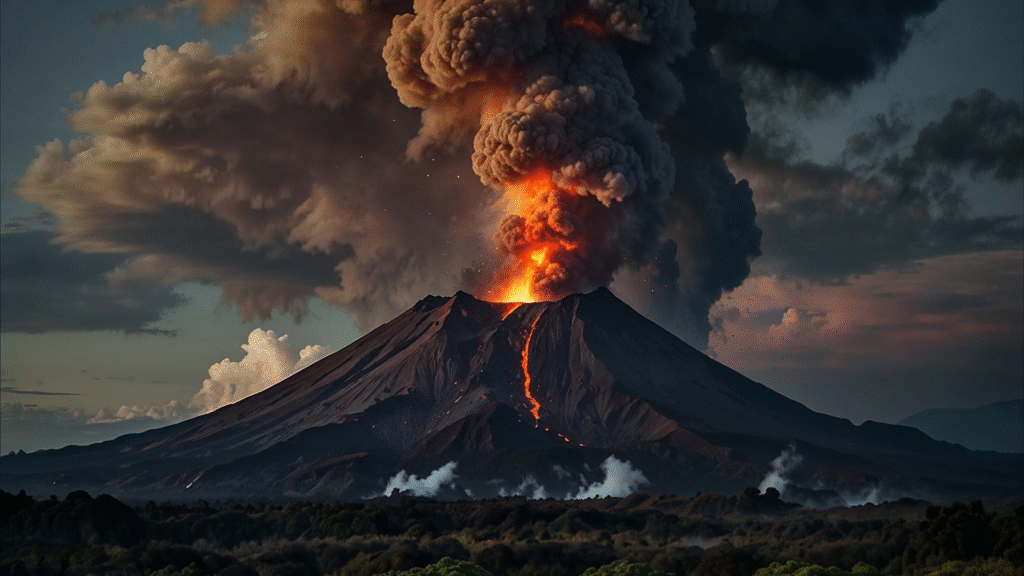
In August 1883, the Indonesian volcano Krakatoa exploded with a force so immense it was heard 3 000 miles away – from Australia to the island of Rodrigues in the Indian Ocean.
The shockwave circled the globe three times; ash rose 80 kilometers high. For years after, sunsets glowed blood-red around the world. Some say the eerie skies in Edvard Munch’s The Scream were inspired by those post-Krakatoa twilights.
Today, a new volcano has grown in its place – Anak Krakatau, “the Child of Krakatoa.” It’s proof that even destruction can give birth to something new.
Mauna Loa – The Home of the Goddess Pele
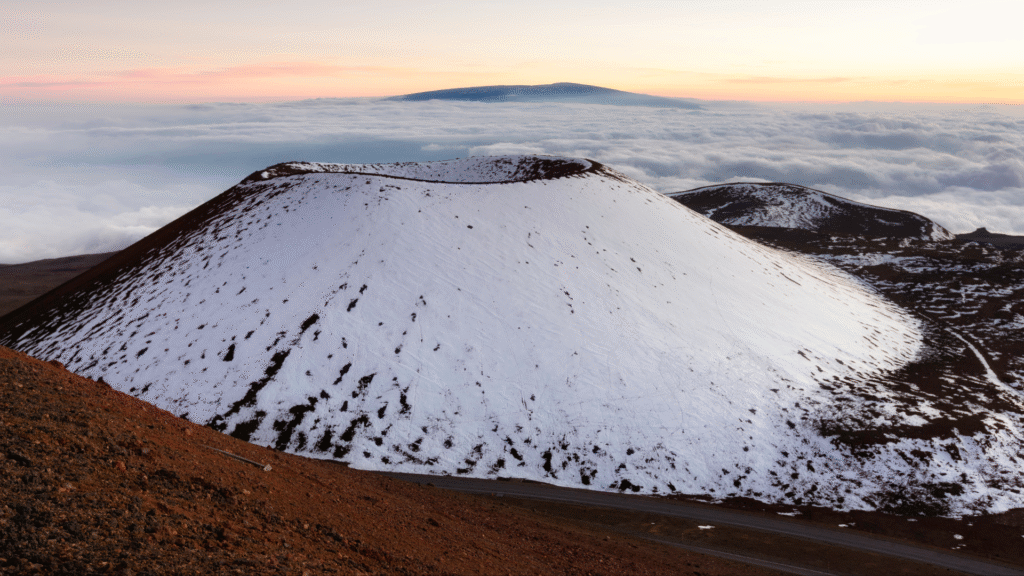
On the islands of Hawaii, volcanoes aren’t feared – they’re sacred. Mauna Loa, “The Long Mountain,” is believed to be the home of Pele, the goddess of fire. She dances in the lava and protects those who respect her power.
Mauna Loa is Earth’s largest active volcano, covering nearly half the Big Island. Its lava moves slowly like glowing rivers, sometimes meeting the sea in clouds of steam. When Pele “smiles,” the island sleeps peacefully; when she grows angry, the mountain burns with red light.
Even in the age of satellites, Hawaiians still leave offerings – flowers, shells, and fruit – asking Pele to keep her temper calm.
Eyjafjallajökull – The Volcano That Stopped the Sky
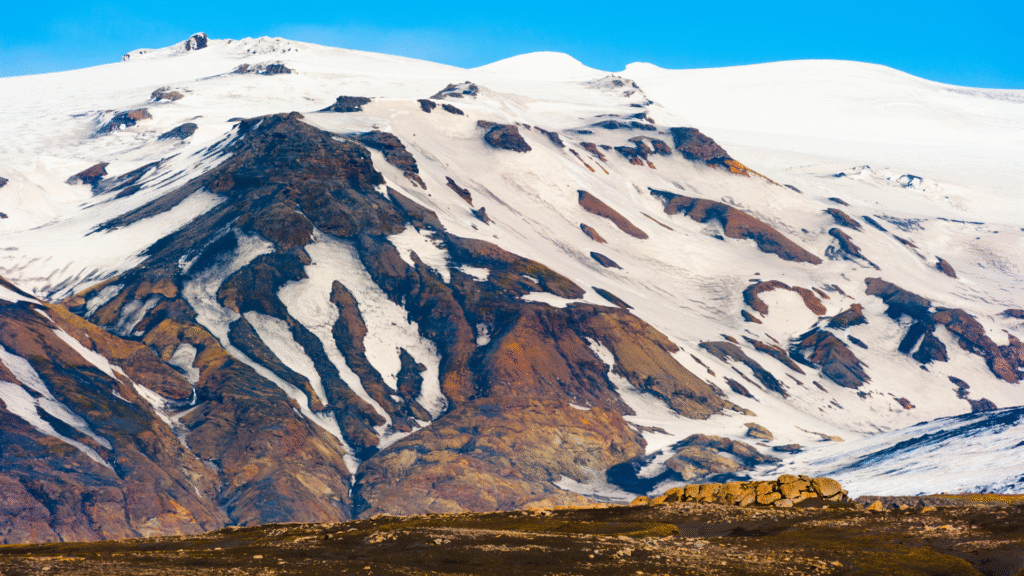
In the spring of 2010, the world was reminded that nature can silence technology. The Icelandic volcano Eyjafjallajökull erupted beneath a glacier, sending a massive ash cloud across Europe.
Flights were grounded for weeks. Airports closed. Millions were stranded. A single mountain made the planet pause.
It wasn’t the biggest eruption in history, but it was a humbling one. Eyjafjallajökull proved that even in the 21st century, a small island of fire and ice can still dictate the rhythm of the sky.
When the Planet Speaks in Fire
Volcanoes are the Earth’s storytellers. Vesuvius keeps Pompeii’s tragedy. Etna hums with the echoes of gods. Krakatoa still colors sunsets long gone. Mauna Loa holds the spirit of Pele. Eyjafjallajökull reminds us that we’re guests on a living world.
We fear them and worship them – maybe because they are the planet’s heartbeat. Each eruption is both destruction and creation, a reminder that our world breathes, burns, and begins again.
👉 Want to keep exploring? Read our story about Rivers That Shaped Civilizations.