Imagine a place where someone might calmly tell you something strange: you can’t die here. It sounds like a metaphor or a dark joke, but in the Arctic town of Longyearbyen on the Svalbard archipelago, the idea has a very real foundation.
The first time people hear it, they usually laugh. How can anyone ban death? Who could possibly control something that inevitable? Yet the explanation has nothing to do with philosophy or myth. It comes down to climate.
Where This Town Is
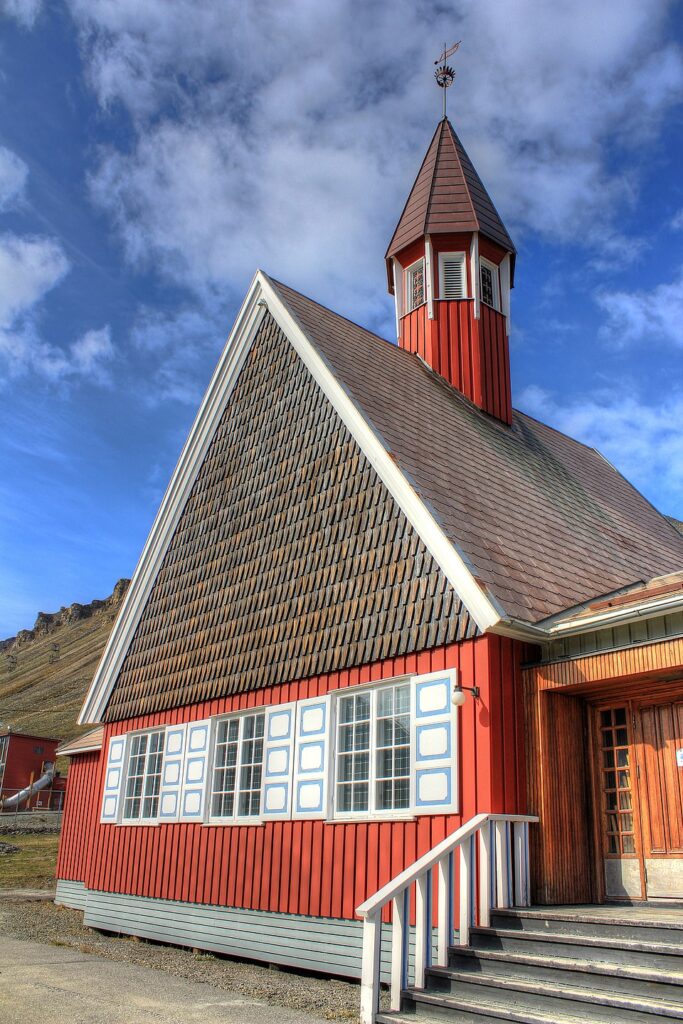
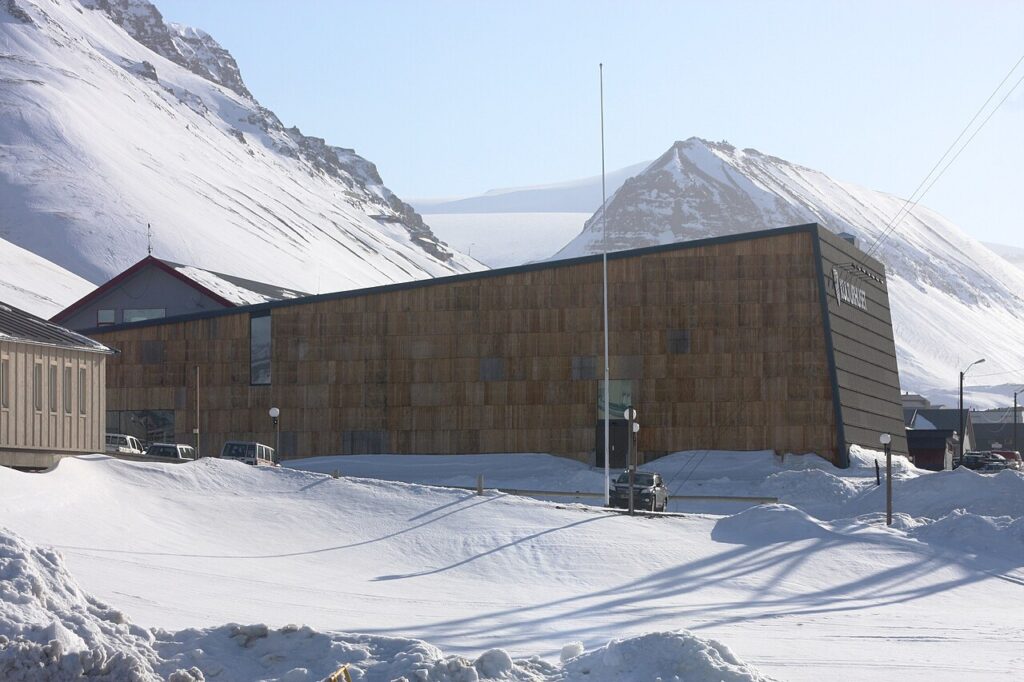
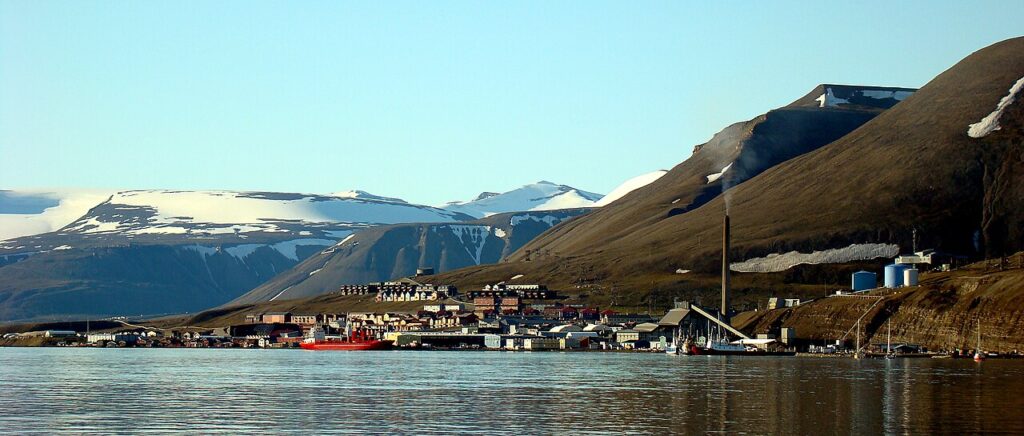
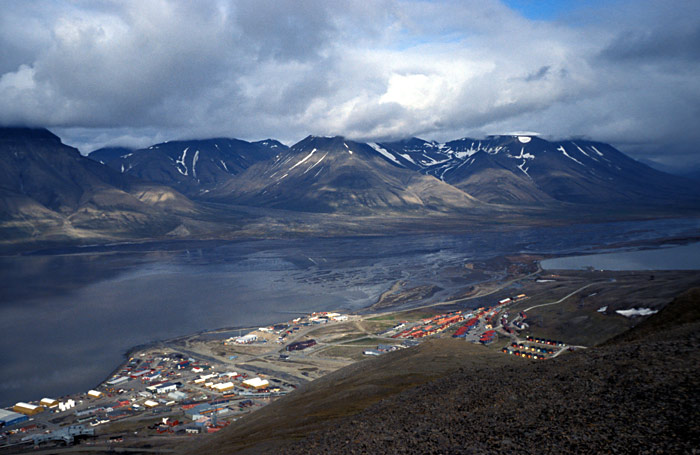
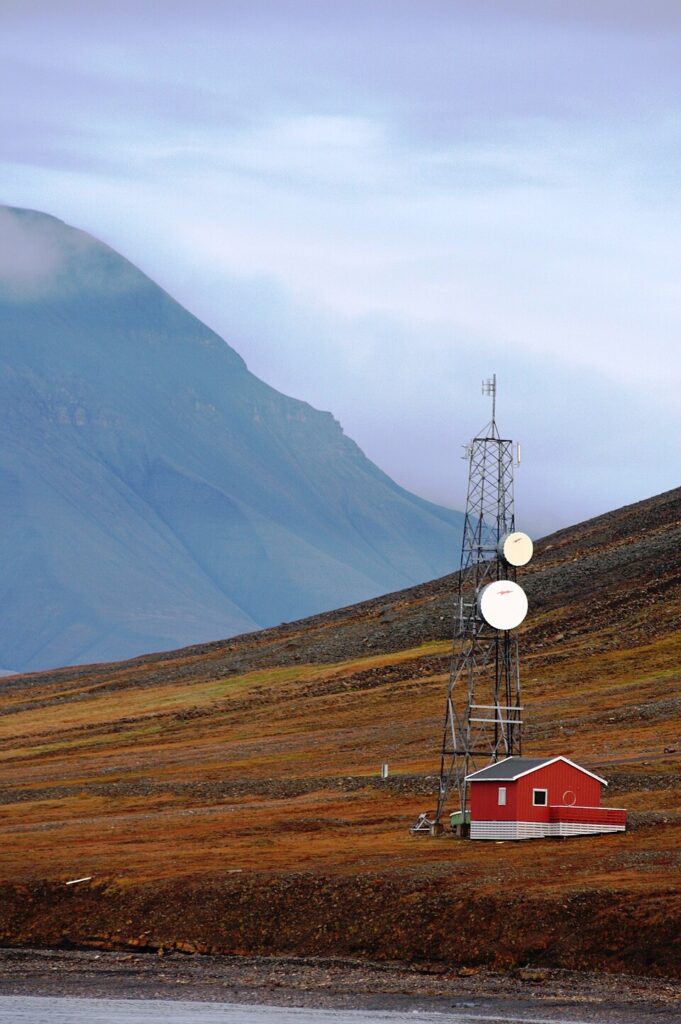
Longyearbyen sits far north of mainland Norway, deep inside the Arctic Circle. In winter, darkness lasts for months. In summer, the sun does not fully set. Wind cuts through layers of clothing, and temperatures remain below freezing for much of the year.
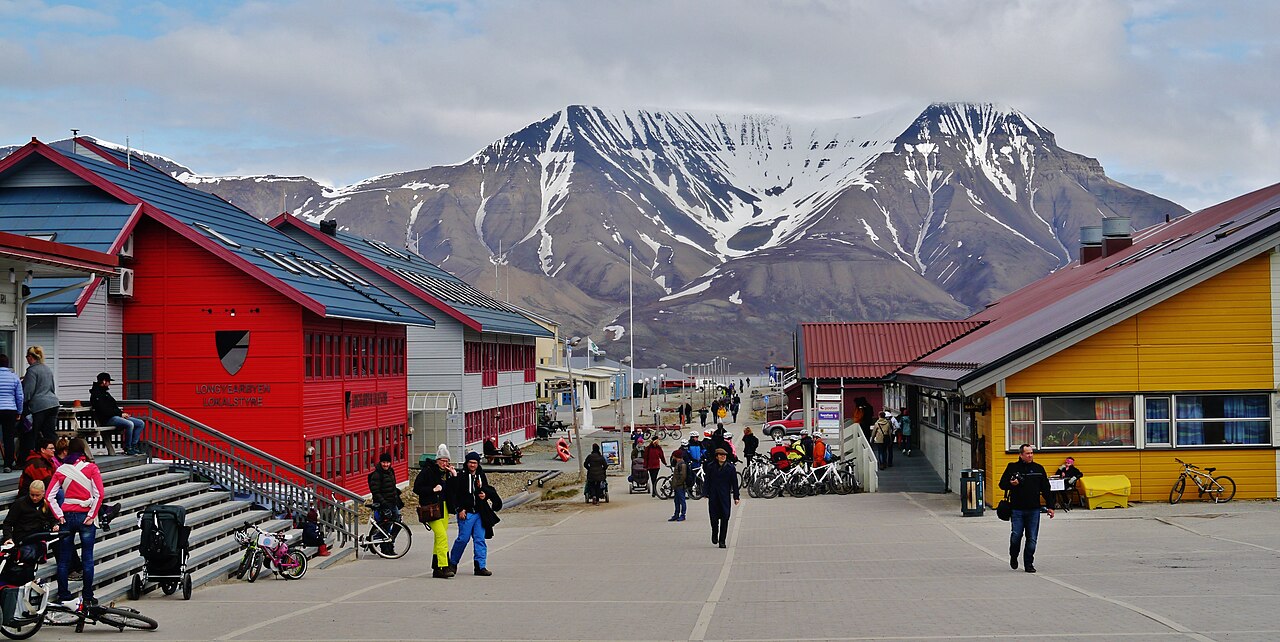
A little over two thousand people live here. Some work in research, others in tourism, logistics, or local services. Families raise children here. Scientists study climate change and Arctic ecosystems. People choose this town deliberately, knowing it sits near the edge of the inhabited world.
There are no highways connecting Longyearbyen to other cities. You arrive by plane or by ship. Beyond the settlement, the landscape opens into snowfields, sharp mountains, and wide valleys that feel almost untouched.
Why Burial Is Not Allowed
The reason behind the town’s unusual rule is simple: permafrost. The ground in Longyearbyen stays frozen nearly all year. In the early twentieth century, when residents were buried locally, something unexpected became clear. The bodies did not fully decompose. The frozen soil preserved them.
After victims of the 1918 influenza pandemic were buried there, later research suggested that traces of the virus could still remain in preserved tissue decades later. That discovery raised serious health concerns. In permafrost conditions, bacteria and viruses can survive far longer than in warmer climates.
As a result, the town stopped new burials many years ago. If someone becomes seriously ill and doctors believe death is near, the person is transported to mainland Norway. Funerals and burials take place there instead.
Technically, death is not illegal in Longyearbyen. However, burial in the town is not permitted. What sounds dramatic is, in fact, a public health decision shaped entirely by the environment.
How Residents View It
Locals speak about this rule calmly. There is no superstition attached to it. It is treated as a practical reality, much like the cold or the darkness.
In the Arctic, nature sets the terms. Climate influences architecture, transportation, work schedules, and even long term life planning. There are no nursing homes in Longyearbyen, and many older residents eventually move back to mainland Norway. The town tends to attract people in active stages of life rather than those seeking quiet retirement.
At the same time, Longyearbyen is not a temporary outpost. Children are born here. Schools operate normally. Cafés and restaurants stay open year round. Cultural events and science festivals bring people together during the long winter months. Life here is structured and stable, even if it exists under unusual conditions.
A Town Between Darkness and Light
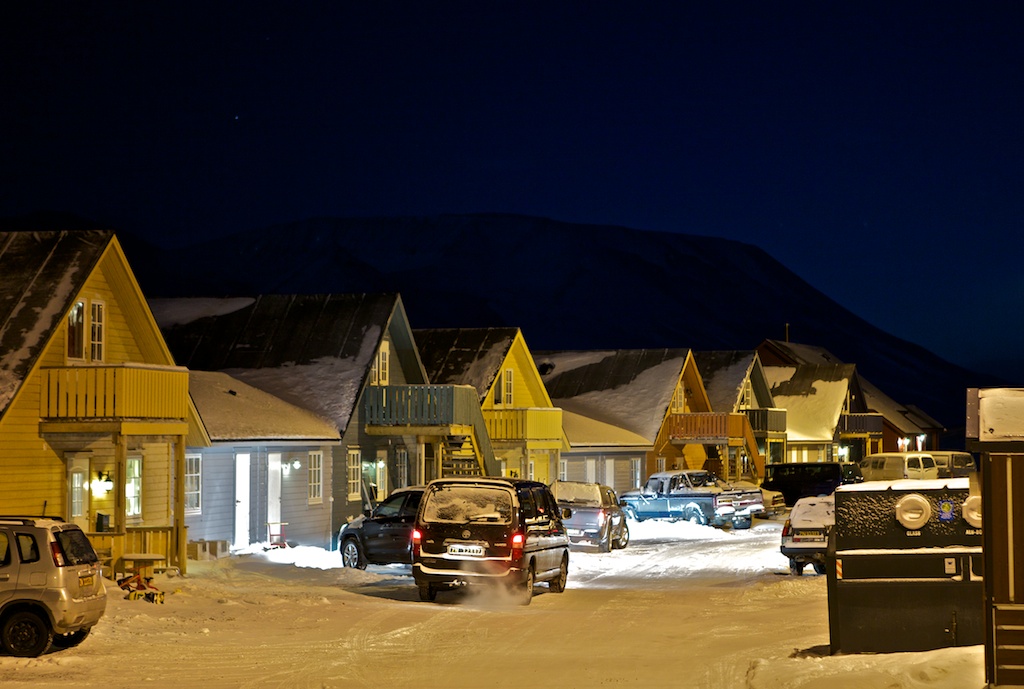
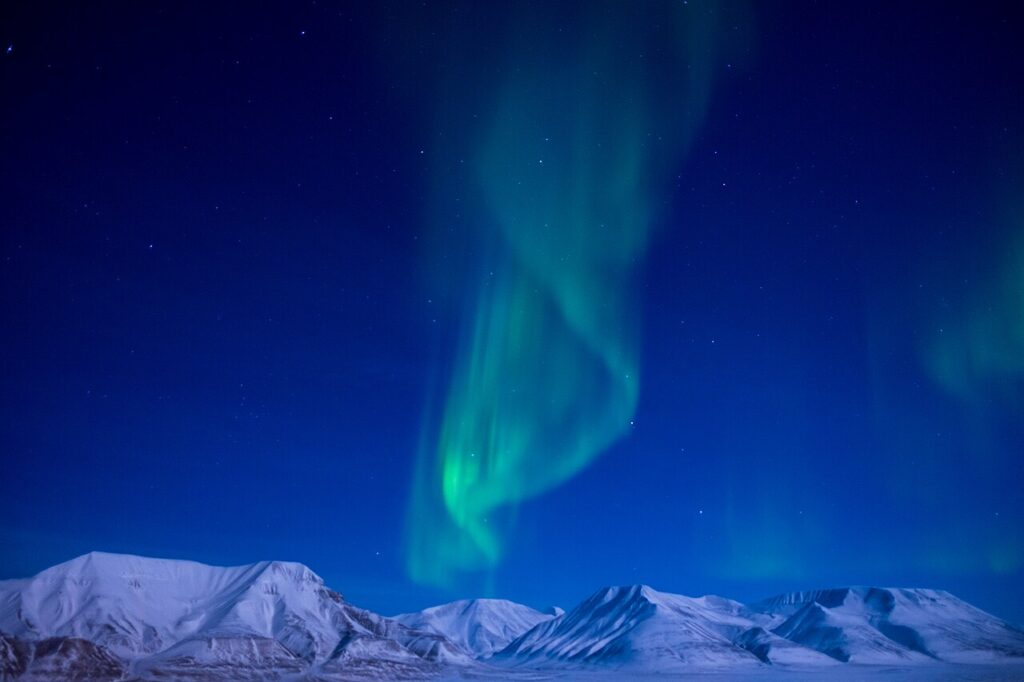
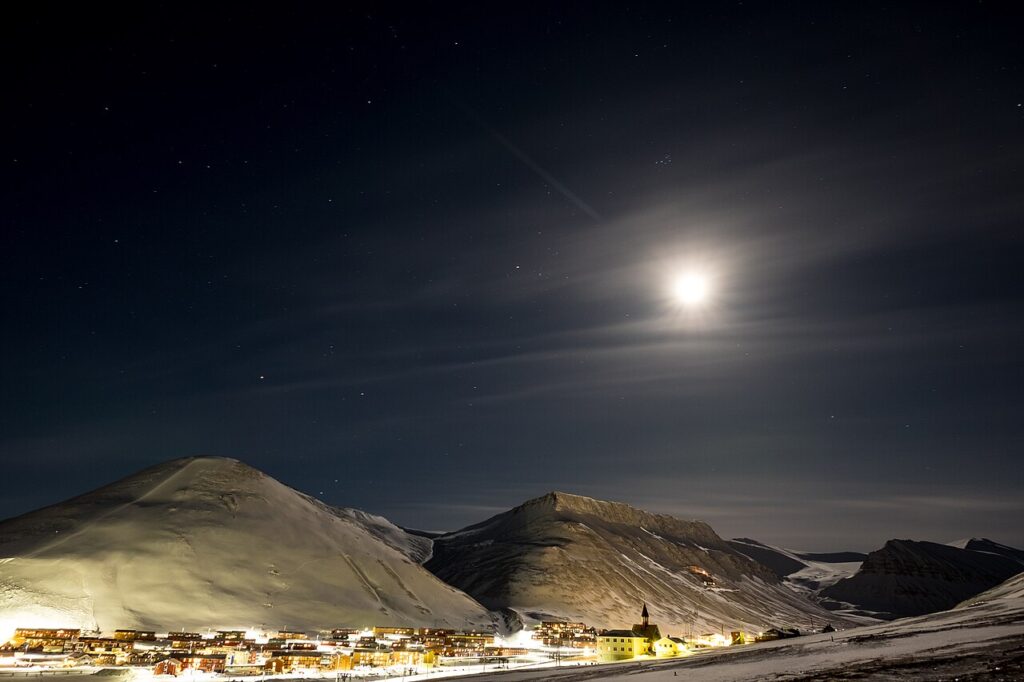
During the polar night, the sun disappears for weeks. The sky remains dark, and artificial light becomes essential. Windows glow warmly against the snow, and the northern lights sometimes move across the sky above the town. The isolation can feel intense, yet many residents describe winter as the most beautiful season.
In contrast, summer brings continuous daylight. The midnight sun changes people’s sense of time. Some hike late at night as if it were afternoon. Others work unusual hours because the rhythm of day and night no longer applies in the usual way. Newcomers often need months to adjust, but those who stay learn to adapt.
Life Beyond the Town Limits
Another unusual rule applies outside the settlement. Anyone leaving the town boundaries is required to carry protection. The reason is straightforward: polar bears.
Svalbard is their natural habitat. Humans are the visitors. Encounters are rare but real, and regulations exist to prevent dangerous situations. This requirement is not symbolic; it reflects the reality of living in a remote Arctic environment.
Inside town, burial is banned for sanitary reasons. Outside town, nature clearly remains in control. Together, these facts shape daily life in subtle but constant ways.
The Old Cemetery
Longyearbyen still has a small historic cemetery from earlier decades. It is no longer used. Scientists have studied the site to understand how permafrost affects preservation. Their findings confirmed that frozen ground can protect biological material for far longer than expected.
What sometimes sounds like an urban legend is actually supported by research. The climate truly does change how the ground interacts with the human body.
Why People Still Choose Longyearbyen
On paper, the town may seem extreme. Long winters, months of darkness, polar bears in the surrounding wilderness, and a ban on local burial are not typical selling points.
However, Longyearbyen offers something many large cities cannot: space and clarity. The valleys are wide and quiet. The mountains rise sharply against the sky. The pace of life feels slower and more intentional.
There are no traffic jams, no crowded subway systems, and little urban noise. Instead, there is a close knit community where people tend to know one another. In emergencies, help arrives quickly. Shared conditions create shared responsibility.
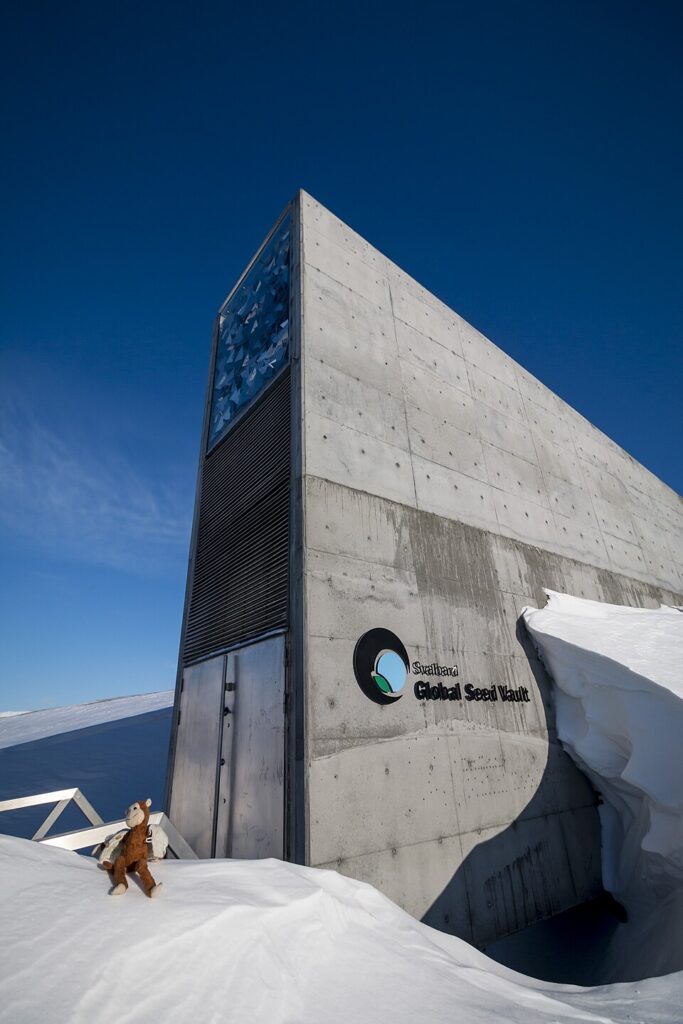
Some observers describe Longyearbyen as a town of the future because it hosts research centers and the global seed vault, which stores backup copies of crops from around the world. Others see it as the edge of civilization.
In many ways, it is both. Longyearbyen demonstrates how humans adapt to extreme environments not by overpowering nature, but by respecting its limits.
The ban on burial is not about denying death. It is about acknowledging climate. And despite the restrictions, people continue to fall in love, build careers, and raise families here.
Life continues in Longyearbyen, just a little closer to the North Pole.
If you’re curious about other unusual ways people adapt to extreme environments, read our article “The Town That Lives Inside One Building.” It’s a very different setting, but the same question — how far can humans adjust to their surroundings?
And if you enjoy discovering places that challenge привычные представления о жизни, explore more stories on our Telegram channel Wonderful World. There’s always something unexpected waiting there.