
Introduction
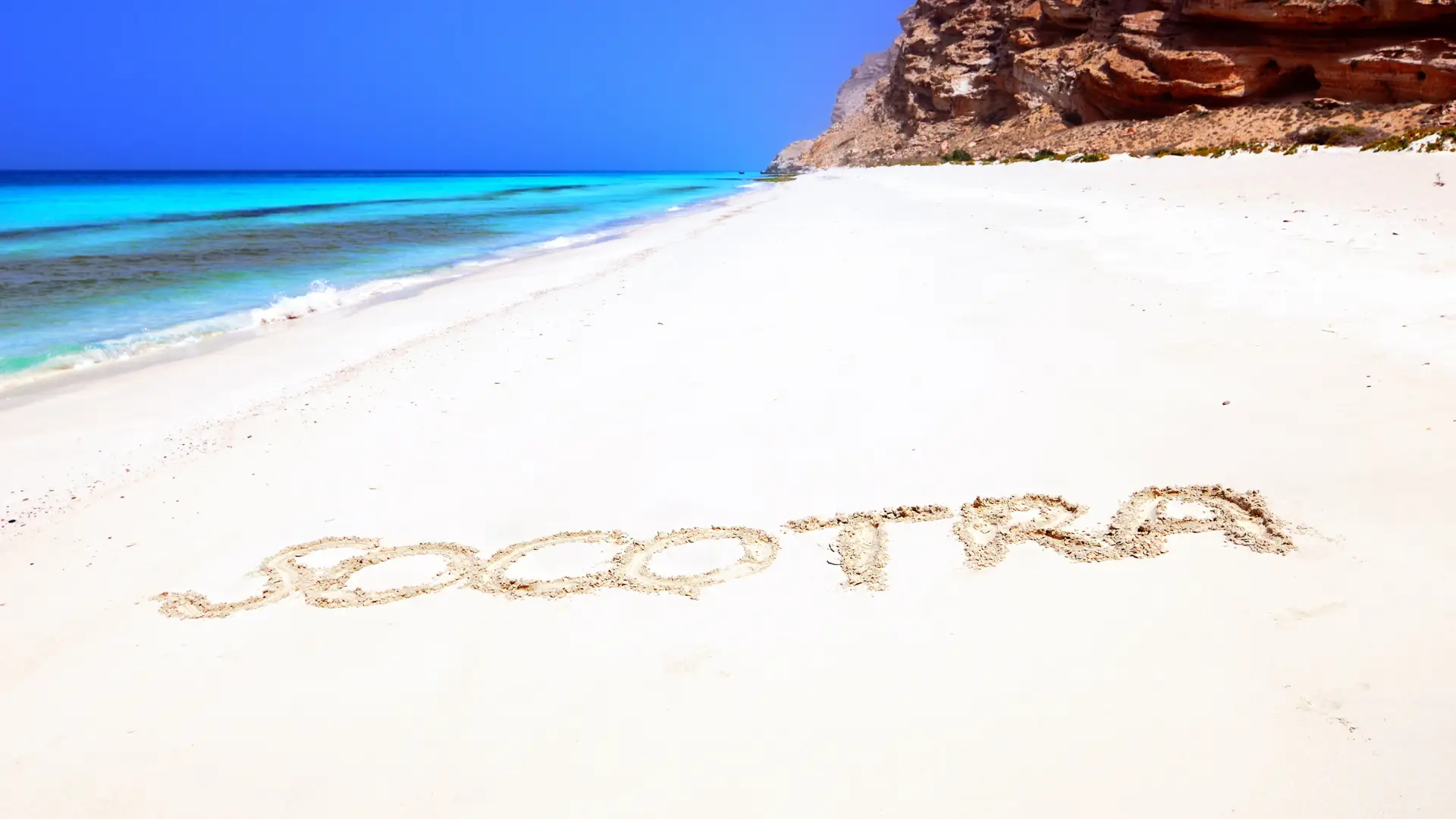
There are places on our planet that look as if they belong in a science fiction movie. One of them is Socotra, a small island in the Arabian Sea often called “the alien island” or “the real Pandora.” When you see the umbrella-shaped crowns of the dragon blood trees or the swollen trunks of the cucumber trees, it feels less like a journey and more like stepping onto another planet.
Millions of Years of Isolation
Socotra split from the mainland about 6 million years ago. Since then, evolution has been working here in isolation, creating plants and animals found nowhere else. Scientists call it “the Galápagos of the Indian Ocean.” More than a third of all species on the island are endemic.
Living Symbols of the Island

The true icon of Socotra is the dragon blood tree (Dracaena cinnabari). Its red resin, known as “dragon’s blood,” has been traded for centuries. Ancient doctors used it to heal wounds, artists used it as paint, and violin makers such as Stradivari used it as varnish. In medieval Europe, the resin was considered almost magical – a cure-all and a material worth its weight in gold.
Another wonder is the cucumber tree (Dendrosicyos socotranus), the only cucumber plant that grew into a tree. Its thick trunk stores water, helping it survive droughts, and its shape makes it look like a giant vegetable.
Then there is the “desert rose” (Adenium obesum socotranum), with swollen stems and bright flowers. From a distance it looks like a toy, but in reality it is one of the island’s survival experts.
Wildlife on an Island Without Predators
Socotra has no large mammals. This absence shaped a unique balance: birds, reptiles, and insects thrive without fear of predators.
- There are more than 220 bird species, including endemics like the Socotra starling and the Socotra sunbird.
- Out of 37 reptile species, 29 are found nowhere else, making the island one of the richest reptile hotspots in the world.
- About 800 insect species live here, half of them unique to Socotra.
Because no cats or foxes ever reached the island, birds nest openly on cliffs and beaches, showing little fear of humans. For biologists, it feels like visiting a world where evolution took a completely different turn.
A Natural Laboratory
Even today, Socotra is treated as a natural laboratory. NASA scientists test ideas here because the dry, rocky soils of the island resemble Martian landscapes. In the mountains, “fog forests” form – trees and shrubs have adapted to capture moisture directly from the mist, literally drinking clouds.
Legends and Myths
Socotra’s strange nature has always inspired myths. Ancient writers claimed that Alexander the Great wanted to use the island to grow rare medicinal herbs. The red resin of the dragon blood tree was thought to be the actual blood of dragons spilled in battle.
Arab traders in the Middle Ages spread tales of sorcerers living on the island and selling magical potions. Whether true or not, the stories helped turn Socotra into a legendary place on ancient trade routes.
Today’s Socotra
In 2008, Socotra was added to the UNESCO World Heritage list. Yet only a few thousand tourists visit each year. The island is hard to reach – usually by plane from Yemen and this difficulty protects it from mass tourism.
Still, the island faces threats. Drought, deforestation, population growth, and climate change are putting pressure on its fragile ecosystem. Scientists warn that what took millions of years to evolve could vanish within decades.
Conclusion
Socotra is not just an island. It is a reminder that Earth itself still hides landscapes as strange and beautiful as anything imagined in science fiction. Here you can walk among umbrella-shaped trees, watch fearless birds, and feel like an explorer of another planet.
And perhaps this is the real magic: proof that our world already contains wonders greater than fantasy.