
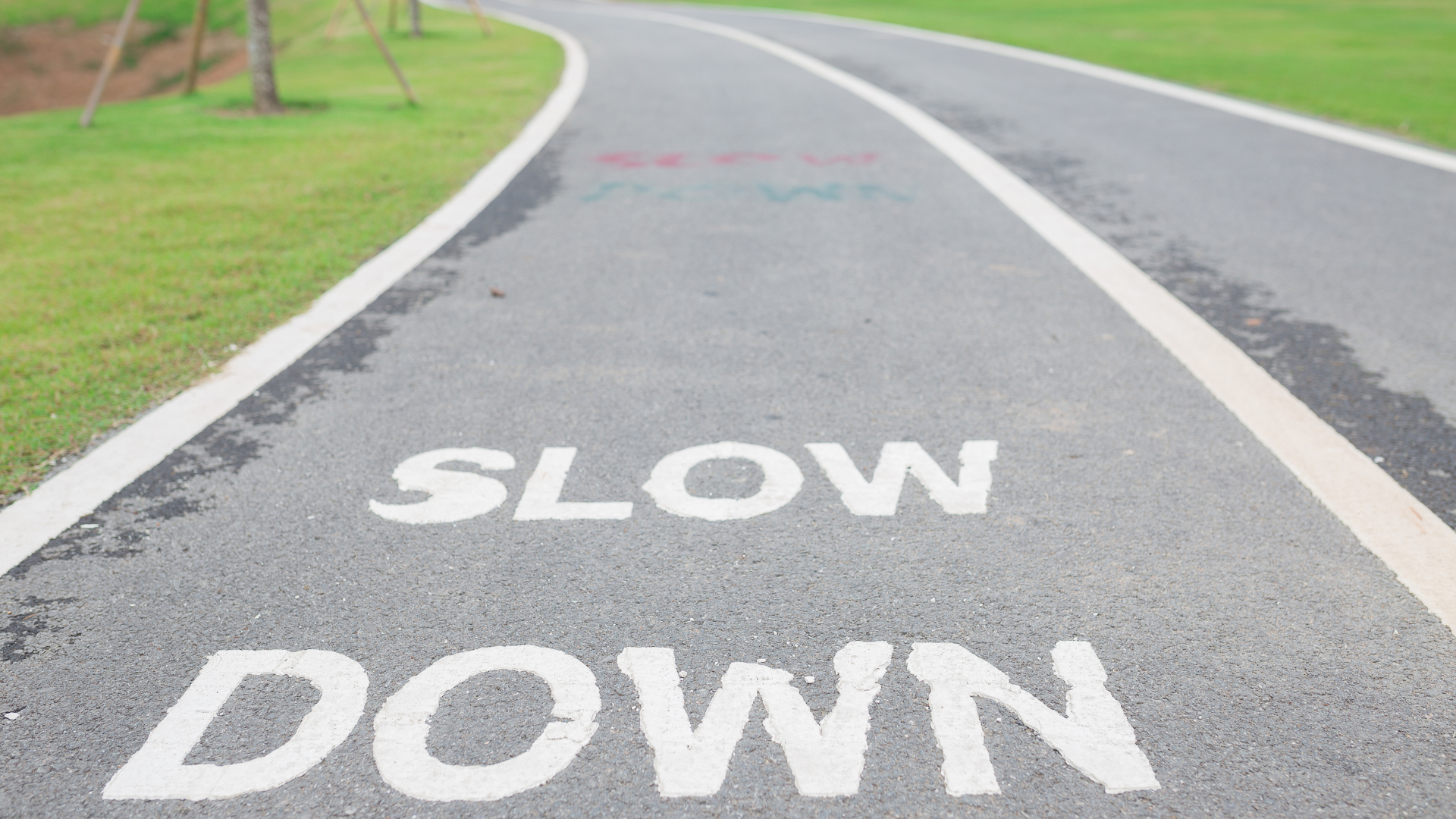
Sometimes it feels like we live in constant motion. Even when we sit still, there’s a pressure inside that pushes us to rush. We hurry to work, we hurry home, we hurry to rest, we even hurry while scrolling through social media. The paradox is simple: the faster the world moves, the more exhausted we feel.
The other day, I caught myself checking my phone every couple of minutes while walking. No notifications, no news – just habit. And suddenly I wondered: why? Why is it so hard to just walk, to simply look around?
Why We Keep Rushing
The modern world teaches us speed. The internet makes information instant, jobs demand results yesterday, and social media creates the illusion that everyone else is moving faster and achieving more.
We’re haunted by the fear of missing out – FOMO. We scroll through the news late at night just in case something happened without us. We fill our days with endless tasks because slowing down feels like falling behind.
But the more we rush, the more we miss. We stop noticing small things: the taste of food, conversations with loved ones, sunsets outside our window.
Stories From Life
A friend once told me about his struggle. He worked in a large company, his day packed with meetings, calls, reports. Always in a rush. Then panic attacks began. His doctor suggested a simple exercise: 10 minutes a day sitting without a phone, without tasks, just looking out the window. At first, it felt like torture. But later he admitted: “For the first time in years, I heard birds singing outside my apartment. I never knew they were there.”
In Japan, there are “slow retreats” – places without phones, internet, or even clocks. People go there to relearn what it feels like to let time stretch. No deadlines, no rush – just life moving at its own pace.
What Science Says
Researchers call it the “acceleration syndrome.” We perceive time as moving faster than it really does. The more we try to pack into a day, the more it feels like we’re running out of time.
One study asked people to walk at different speeds. Those who walked slowly described their surroundings in detail – shop windows, faces, smells. Those who walked quickly remembered only “the road” and “the destination.” The result? Slowing down literally expands perception.
The Paradox of Speed
The strangest part is that rushing often makes us achieve less. Multitasking breaks our focus, mistakes multiply, and we waste more time fixing them.
But slowing down changes everything. Tasks get done better and often faster, because we’re fully present. It’s the old truth: slow is smooth, and smooth is fast.
How to Practice Slowing Down
- Pause for one minute. Sit still for 60 seconds with no phone, no distractions. It sounds easy, but try it – you’ll see how rare this is.
- Eat one meal slowly. Focus on the taste. This small act of mindfulness brings you back to the moment.
- Take a “lazy walk.” Not for steps or calories, but just for the sake of walking.
- Say no to overload. Sometimes slowing down means refusing to pack your schedule to the brim.
Final Thought
The world won’t stop rushing. News will break every minute, deadlines will always exist. But we still have a choice: chase the pace or hit pause from time to time.
I believe slowing down is power. It brings back the taste of life. In the end, we don’t remember how many tasks we finished – we remember the moments we felt alive.