
There are places I relate to differently. Not as tourist spots. Not as pins on a map. These aren’t places you visit just to “see.” You go there, or at least feel drawn to them, because you expect to feel something, or maybe understand something.
Every culture has places like this. Sometimes it’s a mountain. Sometimes a city. Sometimes just a rock in the middle of nowhere. I’m not a religion expert and I’m not studying ancient beliefs. I was simply curious why the same exact places keep pulling people in for centuries.
This article isn’t about miracles or proving faith. What interested me was something else. What actually happens to people when they end up in places like these? Why do so many say that afterward they start looking at life – and the world – a bit differently?
When I started reading stories from pilgrims, travelers, and regular people who had been there, one thing stood out. Almost no one talked about religion directly. Instead, they talked about a shift. Like something moved in their head. Time felt different. Everyday problems didn’t feel the same anymore. Some things suddenly felt smaller. Others clearer.
So I tried to look at these places as they are – through their history and through the reactions people keep having to them and understand why they so often change the way someone sees the world.
Uluru – the rock that became the center of everything

By Ek2030372672uhhhhh daddy – Own work, CC BY-SA 4.0, https://commons.wikimedia.org/w/index.php?curid=105272234
History
Uluru is a massive sandstone rock in the heart of Australia. For the Anangu people, it’s not just a landmark – it’s a core part of their culture and worldview. People lived around Uluru for tens of thousands of years, long before Europeans arrived on the continent.
When colonizers reached the area in the 19th century, Uluru was treated mostly as an unusual natural formation. It was renamed, studied, and slowly turned into a tourist attraction. Only much later did wider recognition come that, for local people, this place meant something far deeper.
Facts
Uluru rises about 348 meters above the ground, with much more of it hidden underground. The rock itself is around 500 million years old. In 1985, ownership of Uluru was officially returned to the Anangu people. In 2019, climbing it was fully banned out of respect for their traditions.
Stories and myths
For the Anangu, Uluru isn’t a single object with one meaning. It’s a collection of stories about how the world was created. Cracks and markings on the rock are tied to specific characters and events passed down through generations.
Mount Kailash – the mountain no one climbs
History
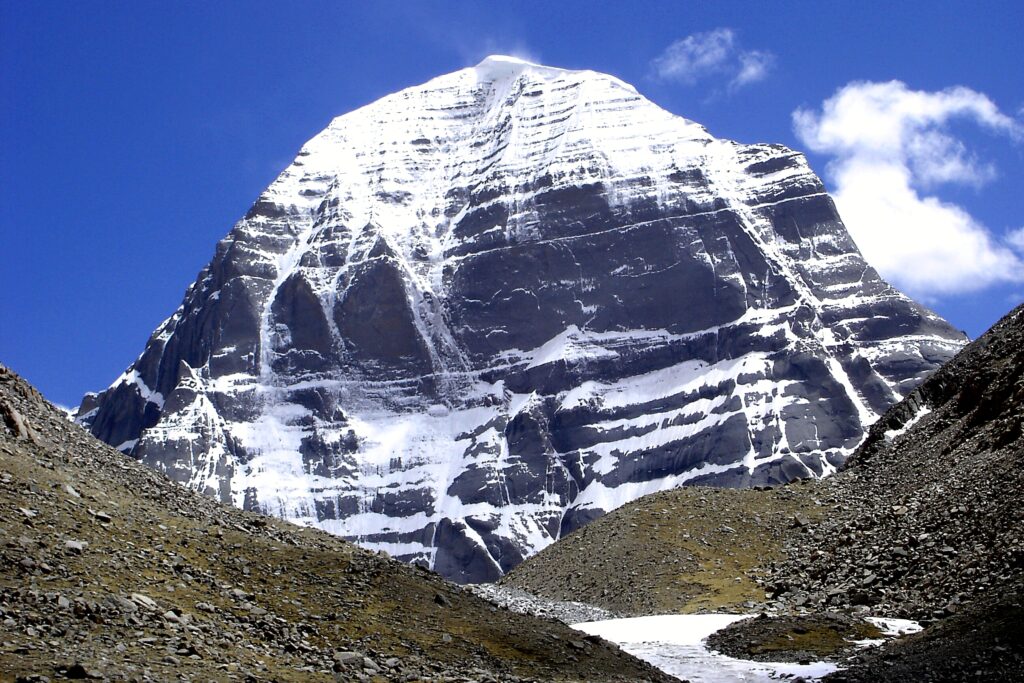
Mount Kailash is located in Tibet and is considered sacred in several religious traditions. What surprised me most is that, unlike almost every famous peak on Earth, it has never been officially climbed.
Instead of trying to reach the summit, people have walked around the mountain for centuries. That journey is considered far more important than standing on the top.
Facts
Mount Kailash stands about 6,638 meters high. Even though climbing it would be technically possible, ascents are prohibited for religious reasons. The pilgrimage route around the mountain is roughly 52 kilometers long and is walked by thousands of people every year.
Stories and myths
Different traditions describe Kailash as the home of a deity or the center of the universe. In Buddhism, walking around the mountain is believed to cleanse karma.
Varanasi – where life and death stand side by side
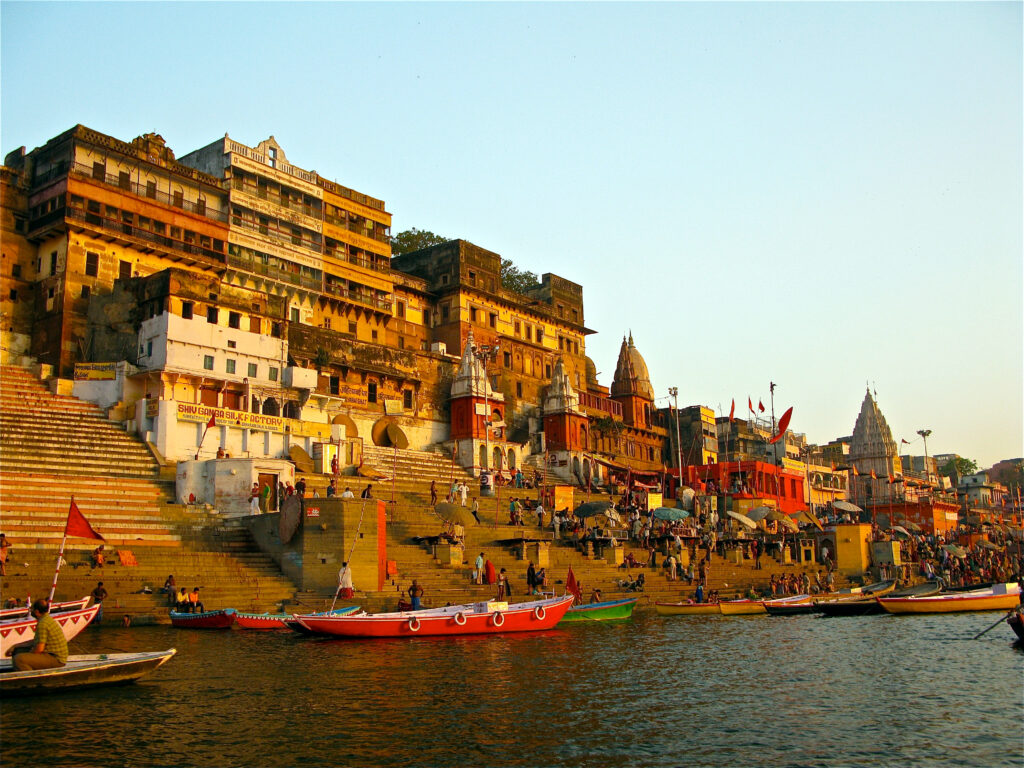
By Ken Wieland – originally posted to Flickr as Ganges and Ghats – Varanasi, CC BY-SA 2.0, https://commons.wikimedia.org/w/index.php?curid=7711423
History
Varanasi is one of the oldest continuously inhabited cities in the world. People have lived here for at least 3,000 years. The city has always been closely tied to the Ganges River and rituals connected to life and death.
As I read more about Varanasi, it became clear that for millions of people, this isn’t just a city. It’s the place where life is meant to end and something else is believed to begin.
Facts
Varanasi sits on the banks of the Ganges and is home to more than a million people today. Open-air cremations take place here every single day, a tradition that has continued for centuries and remains part of everyday life.
Stories and myths
Many believe that dying in Varanasi frees a person from the cycle of rebirth. That belief is why people from all over India travel here in their final years.
Why places like this keep pulling people in
I kept coming back to the same question: why do the same points on the map attract people for hundreds – sometimes thousands – of years?
Over time, one thing became clear. These places are tied to extreme human experiences. Life and death. Fear and hope. Time passing. Meaning. In everyday life, it’s easy to push these thoughts aside. In places like this, they come right to the surface.
There’s also the sense of continuity. People stood here long before us and will stand here long after. Being in that position makes you feel part of something bigger, even if you can’t fully explain it.
Eventually, mountains, rivers, stones, and cities stop being just pieces of landscape. They turn into symbols. Through them, people try to make sense of the world or at least find a place to stop and think.
I don’t think there’s one final answer here. And there probably shouldn’t be. But the more I looked into these places, the more obvious it became: they matter not because they’re magical, but because people kept filling them with meaning, memory, and experience – again and again.
At the end, I want to say this clearly. Everything written here reflects my own way of looking at these places and my attempt to understand them. It may not match your experience or how you see things.
You might feel something completely different in these same places. And maybe that’s the whole point – they work differently for everyone who comes close to them.
P.S. This isn’t the end of the topic. There are still many sacred places on Earth, and I may come back to this and continue later.
👉 Want to explore places at the edge of the world?
Read The Most Isolated Places on Earth.
👉 Follow Wonderful World on Telegram for more real places, quiet stories, and journeys beyond the map.