
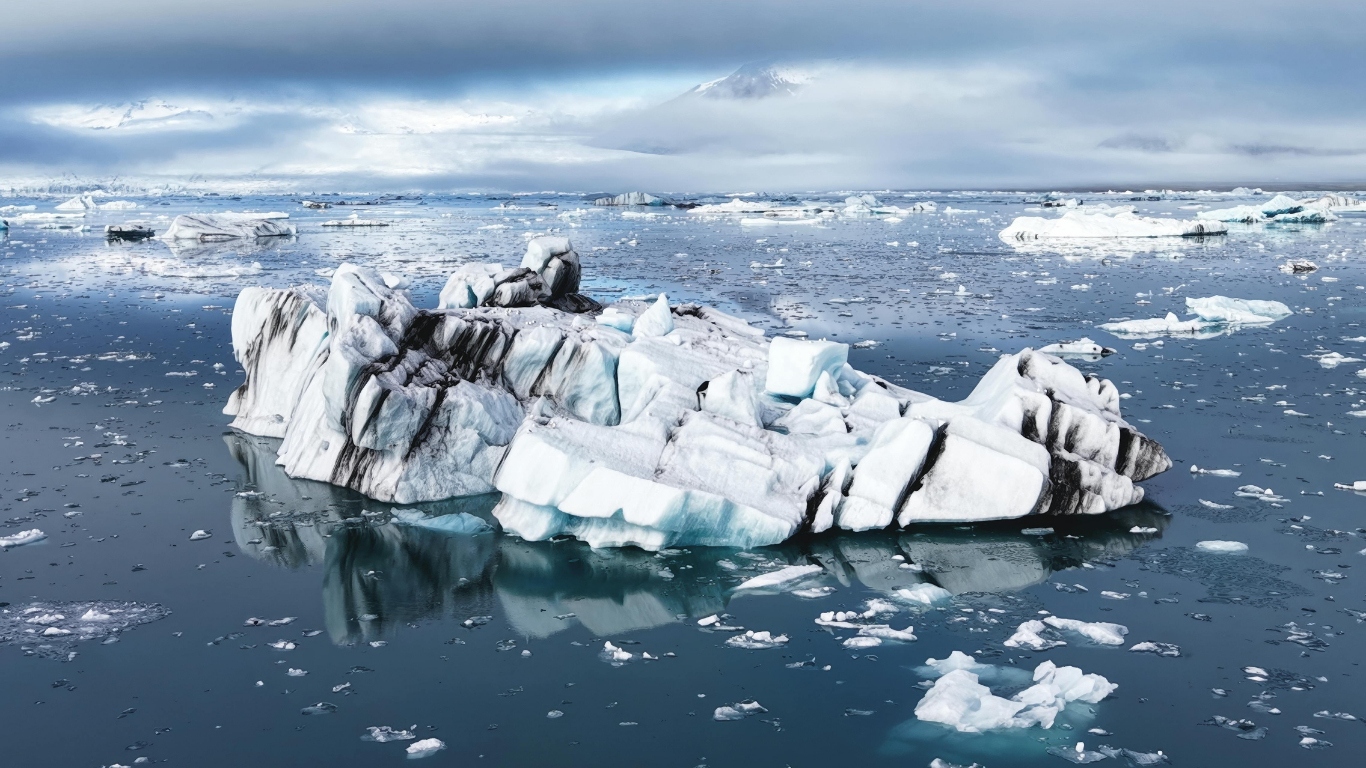
Sometimes isolation isn’t a feeling. It’s geography.
There are places on Earth where loneliness isn’t a metaphor or a state of mind. It’s just how things are. No nearby cities. No roads. No accidental visitors. Sometimes not even a reliable connection to the rest of the world.
We like to think the planet has become small. Planes, satellites, instant maps on our phones. Almost any point can be found, and almost any place can be reached.
That idea is misleading.
Even today, there are places that are genuinely cut off. Not “far from the capital.” Not “hard to get to.” Truly isolated – separated by oceans, ice, vast empty land, or conditions that make normal life nearly impossible.
And what makes this even more interesting is that some of these places are inhabited. People live there. Work there. And sometimes end up there by accident and stay.
Tristan da Cunha – the most remote settlement on the planet
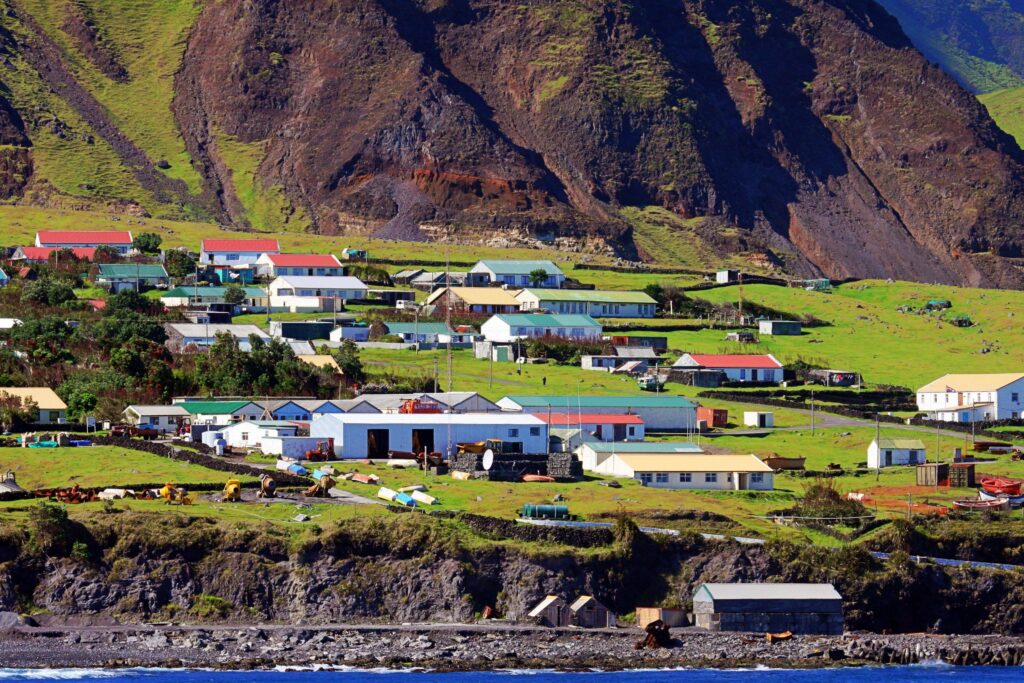
If you open a world map and look for the point that feels furthest from everything, your eyes will probably land on a tiny dot in the middle of the Atlantic Ocean.
Tristan da Cunha sits more than two thousand kilometers away from the nearest inhabited place. There are no regular flights. No tourism industry. The only way to get there is by ship and only when the weather allows it.
A few hundred people live on the island. Everyone knows everyone. There are fewer than ten family names. Most houses sit along the same stretch of coast, because the rest of the island is steep cliffs and volcanic terrain.
Life here moves slowly. Internet access is limited. News arrives late. And many people who have visited say this is the first place where they truly experienced silence.
Antarctica – isolation with no easy exit
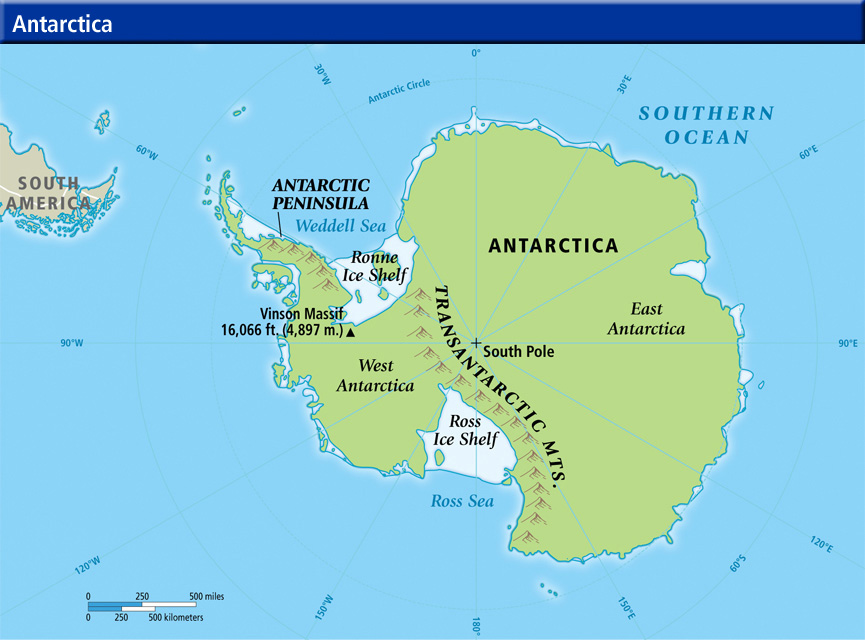
By krill oil – Krilloil.com, CC0, https://commons.wikimedia.org/w/index.php?curid=23043354
Antarctica isn’t just cold. It’s complete separation.
During the winter months, only scientists and technical staff remain on the continent. Planes don’t fly for weeks or even months. Ships can’t reach the coast. If something goes wrong, help is far away.
Polar night can last for weeks. Outside, there’s only ice, wind, and darkness. Even sound behaves differently here – muted, absorbed by snow and distance.
Many polar researchers admit that isolation, not the cold, is the hardest part.
Northern Greenland – where the roads end
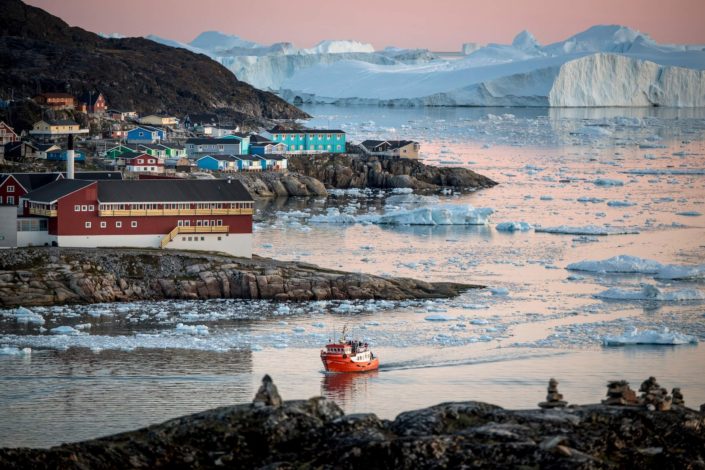
In northern Greenland, the idea of infrastructure simply stops working the way we expect it to.
There are no roads connecting towns. No spontaneous trips. Small settlements are scattered across enormous distances. Communication is unstable, and weather can cut people off from the outside world for weeks at a time.
Sometimes the only way to reach the next settlement is by helicopter or by snowmobile across frozen terrain.
Here, isolation isn’t an adventure. It’s everyday life.
Rub’ al Khali – hundreds of kilometers of nothing
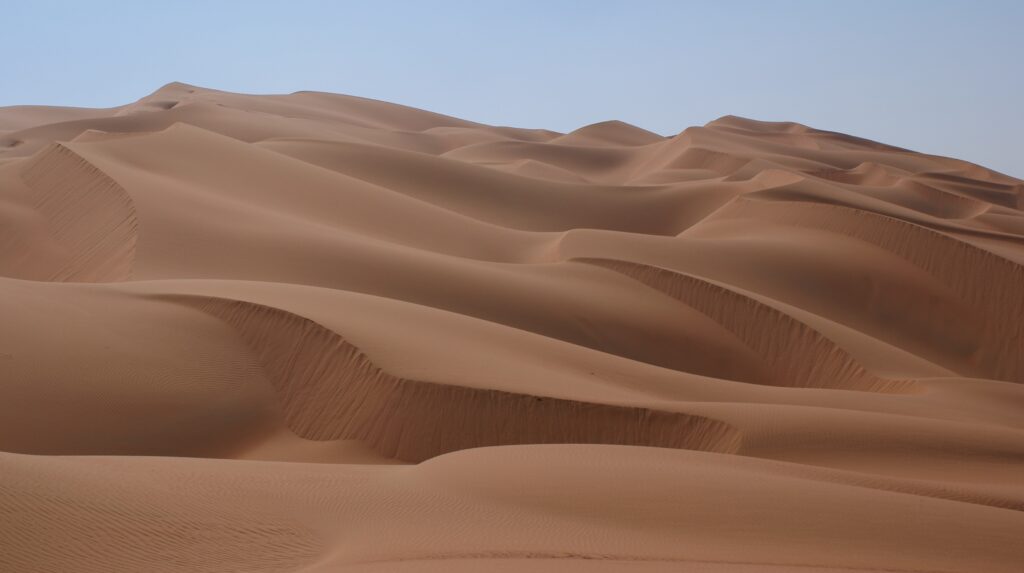
Rub’ al Khali is one of the largest sand deserts on Earth. Its name translates to “The Empty Quarter,” and that description is painfully accurate.
For hundreds of kilometers, there is nothing but sand, dunes, and sky. No permanent settlements. No water sources. No landmarks.
Even experienced travelers say the sense of scale starts to disappear here. Day after day, the landscape barely changes.
This kind of isolation isn’t abstract. You feel it physically.
Easter Island – isolation in the middle of the ocean
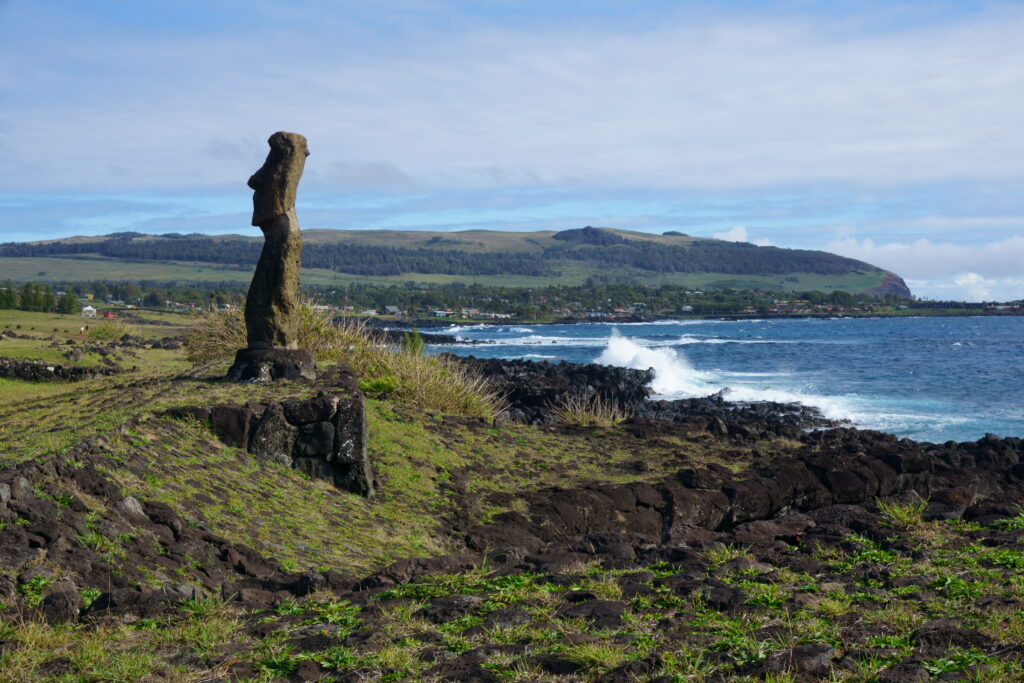
By kallerna – Own work, CC BY-SA 4.0, https://commons.wikimedia.org/w/index.php?curid=75377793
Easter Island is usually mentioned because of its massive stone statues. Much less often because of how remote it is.
The nearest land lies thousands of kilometers away. For centuries, the island’s inhabitants were completely cut off from the rest of the world.
That isolation shaped everything – culture, language, survival strategies. There was no one to rely on. Everything had to be created locally.
Here, isolation wasn’t about being alone. It was about having no alternatives.
Final thoughts
Most people will never set foot in places like these.
But almost everyone has felt what isolation is like at least once – when distance becomes real, when help feels far away, when the world suddenly feels much larger than expected.
These places still exist alongside the modern world. While some chase speed and constant connection, others live where distance still matters.
👉 Want to continue exploring? Read our article Rivers That Shaped Civilizations: Stories Flowing Through Time
👉 Follow Wonderful World on Telegram – real facts about nature and animals, shared through beautiful short videos.