
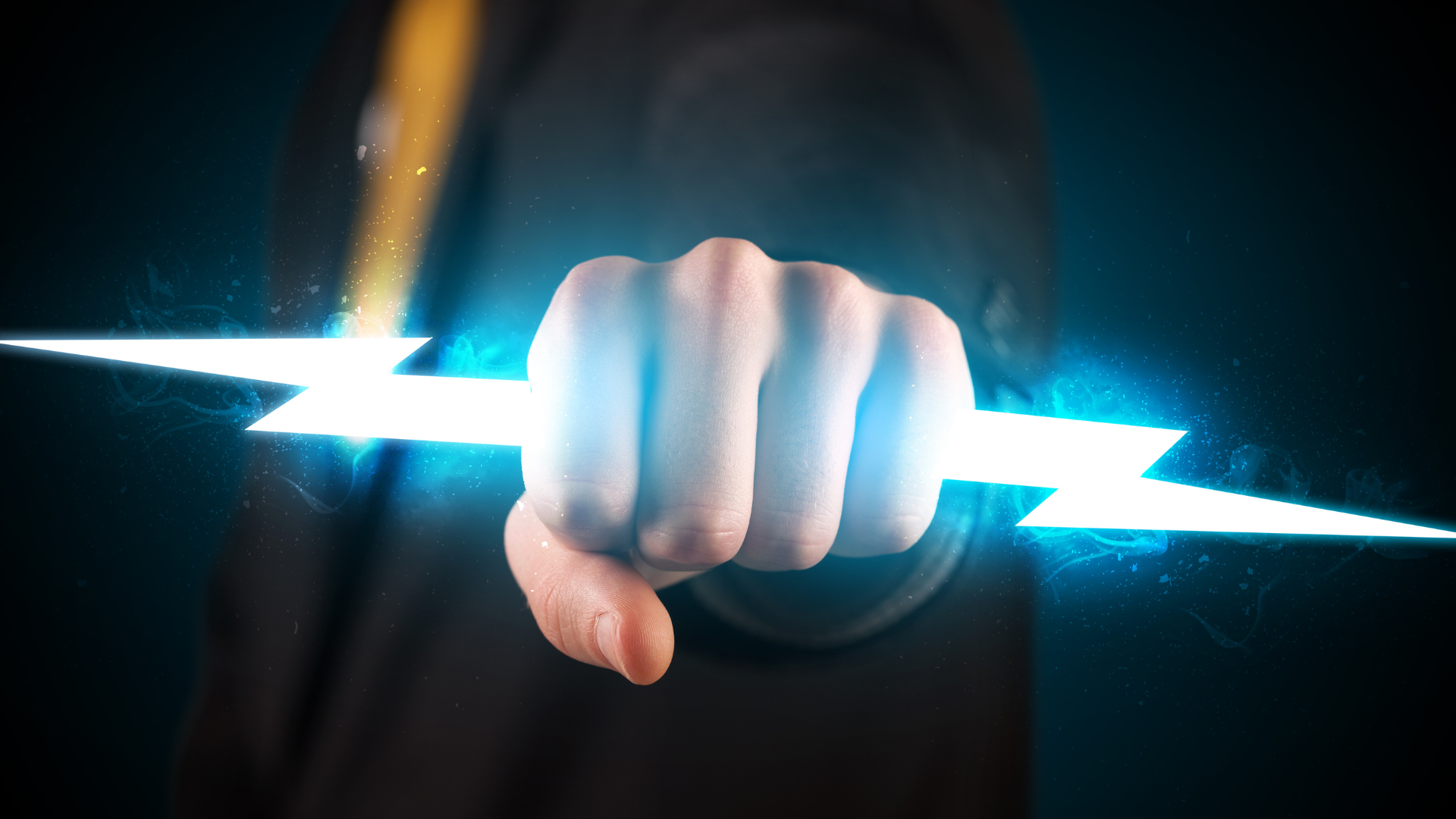
The day the sky struck back
A single flash. A roar that splits the air.
Then – silence.
Lightning is one of nature’s most powerful forces – a bolt hotter than the surface of the Sun, carrying up to 300 million volts. It should kill instantly.
And yet, some people survive.
Their stories are more than tales of luck. They reveal how electricity can rewire the brain, distort memory, and even change personality – as if a piece of the storm stays inside them.
The man who survived seven strikes
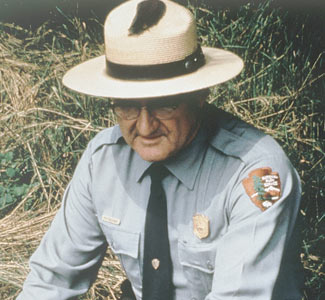
The most famous of all lightning survivors is Roy Sullivan, a U.S. park ranger from Virginia.
Between 1942 and 1977, lightning struck him seven times and he lived through every one.
- Lost his hair and nails.
- Thrown across a field.
- Clothes caught fire.
- Shoulder burned.
- Partial hearing loss.
- Hair burned again.
- Chest and stomach burned.
Sullivan’s case is still a mystery. Statistically, the odds of being struck once are one in a million.
Seven times defies explanation – a living paradox of physics and fate.
What happens to the human brain after lightning
A lightning strike lasts less than a millisecond, but the effects can last a lifetime.
Survivors often report strange changes in memory, emotion, and perception.
Doctors have recorded:
- Short-term memory loss or enhancement;
- Distorted senses – seeing flashes of color, hearing faint sounds;
- Sudden mood swings;
- Phantom vibrations or “electric buzzing” under the skin;
- Heightened sensitivity to weather and electromagnetic fields.
Some scientists call this phenomenon neurological remapping – the brain rebuilding itself after a catastrophic surge.
When memory gets “rewired”
Researchers at the University of Georgia studied several lightning survivors and found that electric trauma can reorganize neural connections.
In some, it boosted numerical memory; in others, it caused momentary “freezes” and lapses.
The theory is that a powerful electrical discharge may reboot the brain – damaging some neural pathways while strengthening others, much like a computer hit by a voltage surge that somehow keeps working.
Lightning’s signature: the Lichtenberg figure
One of the most haunting marks left on lightning survivors is the Lichtenberg figure – a branching red pattern that looks like a tree or veins of fire under the skin.
It’s caused by ruptured capillaries from the electrical shock.
These patterns often fade after days or weeks, leaving behind no physical scar – only a memory that electricity once passed through their body.
Personality shifts and emotional changes
Many survivors say that the strike changed them.
Some became calmer and more reflective; others experienced bursts of creativity or anxiety.
Psychologists call it post-traumatic adaptation, but neurologists believe the explanation may go deeper – electrical current can alter brain chemistry, shifting serotonin and dopamine levels, and subtly changing emotional balance.
Several survivors describe a new intuition, a sensitivity to approaching storms, or an “electric awareness” of the world around them.
It sounds mystical – but may simply be the nervous system reacting to its past trauma.
Famous cases of lightning survivors
- Sofia Yun (China) – struck while indoors; afterward claimed to see subtle changes in light others couldn’t perceive.
- Edward Robson (Canada) – experienced vivid “memory flashes” of forgotten childhood moments.
- Michael May (USA) – though not hit by lightning but a similar electric injury, regained sight after years of blindness, saying he “saw differently than before.”
These stories fascinated scientists studying the electric nature of consciousness – suggesting that life and lightning might be connected more intimately than we think.
What science can explain
Lightning travels around the body’s surface in a split second, a process called flashover.
That’s why about 10% of lightning victims survive – the current doesn’t always penetrate deeply.
But survivors often suffer long-term effects: insomnia, fatigue, depression, or disorientation.
Their brain’s electrical rhythm seems permanently altered – like a song slightly out of tune.
The link between lightning and the mind
Electrical impulses are the foundation of thought itself.
Every emotion, every image, every memory – all are bursts of electricity between neurons.
When lightning passes through a person, it’s as if the brain’s natural electricity meets the raw energy of the sky.
Some researchers even believe this may one day inspire new medical therapies – using controlled electrical surges to “reset” damaged neural circuits.
Between science and the supernatural
Those who’ve survived describe their experience with reverence.
They talk about light filling their body, time stopping, and a feeling of stepping outside themselves.
One survivor said:
“After the lightning, I was never afraid again. It’s like I’ve already met the storm inside me.”
Whether poetic or physiological, these words reveal a deep truth – that survival itself changes how we see the world.
More mysteries of human transformation
If stories of lightning survivors fascinate you, explore other moments where nature and consciousness collide:
- Water Memory – can water remember what it touched?
- The Mandela Effect – when millions remember what never happened.
- Déjà Vu – when the brain mistakes the present for the past.
Each reminds us that reality isn’t fixed – it’s something the mind keeps rewriting.
Final thought
Lightning survivors are living paradoxes – proof that life can pass through death and return changed.
Their minds, burned and reborn, remind us that even the most destructive forces can leave behind a spark of mystery.