
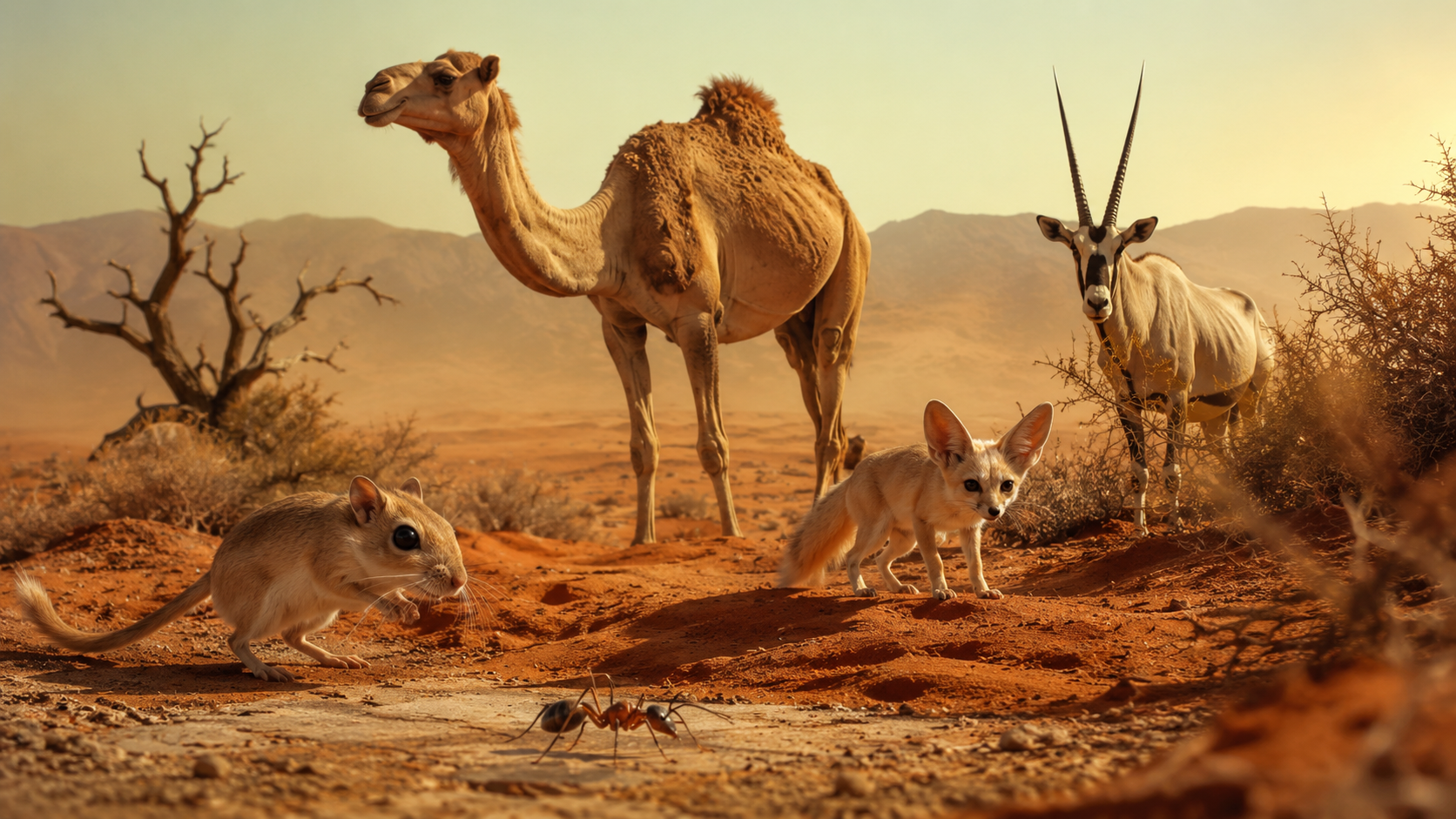
When heat becomes a survival challenge
Imagine a place where the temperature gets so high that sand can burn in seconds, and water may be nowhere to be found for days or even weeks. For humans, conditions like that quickly become dangerous. But for some animals, that is simply home.
Extreme heat looks like the enemy of life. Overheating damages cells, dehydration disrupts the body, and relentless sun turns survival into a daily challenge. But nature has found some remarkable solutions.
Some animals learned how to lose almost no water. Others cool themselves with built in biological systems. And some solve the problem in the simplest way possible by avoiding the daytime heat completely.
The camel is more than a desert symbol
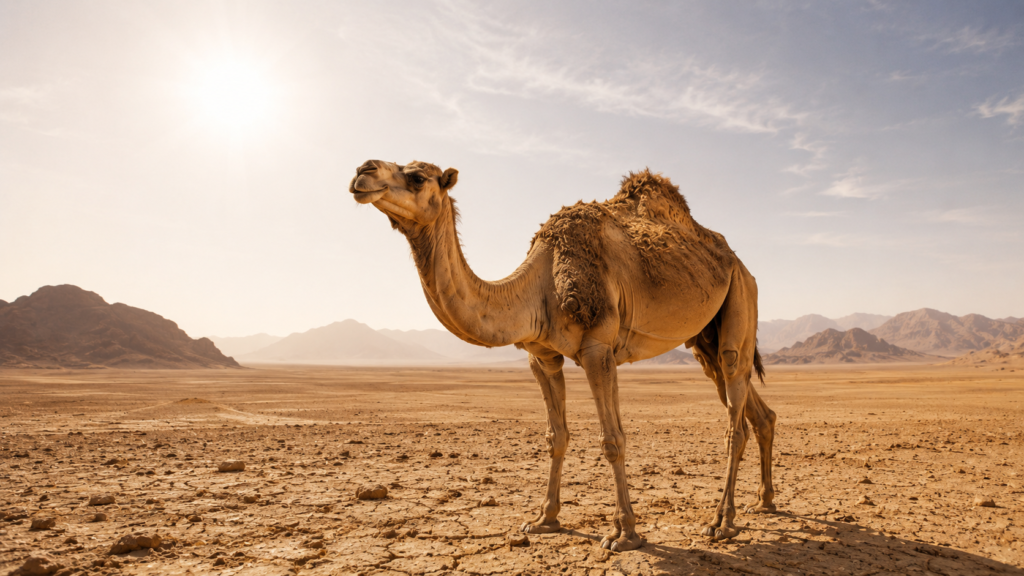
When people think about animals that survive extreme heat, the camel is usually the first one that comes to mind.
There is a common myth that camel humps store water. They do not. They store fat. That reserve helps the animal survive when food is scarce.
Camels can tolerate significant water loss without immediate danger. Their bodies can also handle major temperature fluctuations, which reduces the need for constant cooling through sweating.
Another advantage is their long legs, which keep the body farther away from the scorching ground.
The fennec fox with its natural cooling system
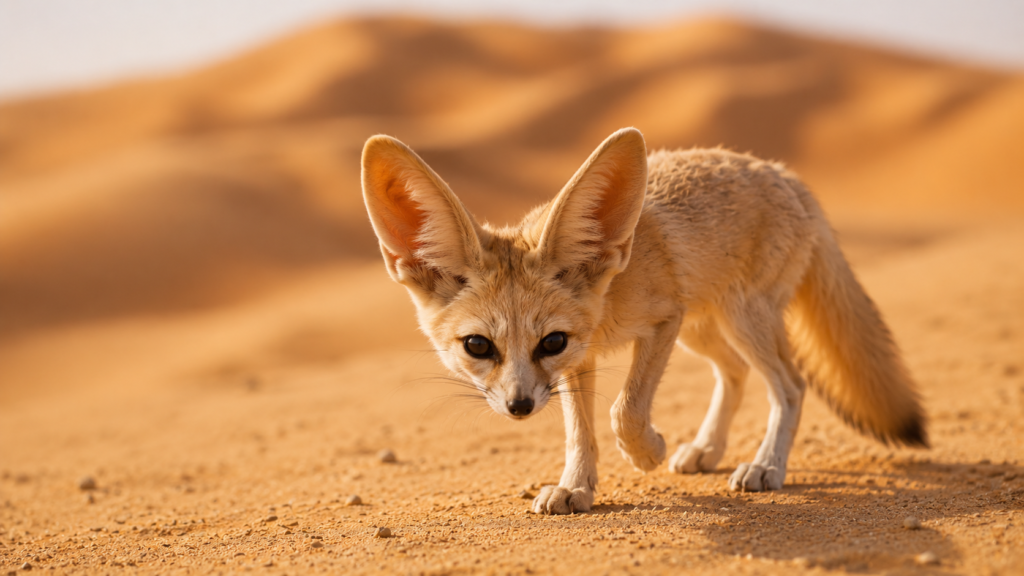
The first thing most people notice about a fennec fox is its oversized ears.
That is not just a quirky design choice.
Those ears are packed with blood vessels that help release excess body heat. Think of them as a built in cooling system.
Fennec foxes are also nocturnal, which helps them avoid the most punishing daytime temperatures.
Their small body size also makes heat management easier.
The Saharan silver ant that lives at the edge of possibility
This is where things get truly extreme.
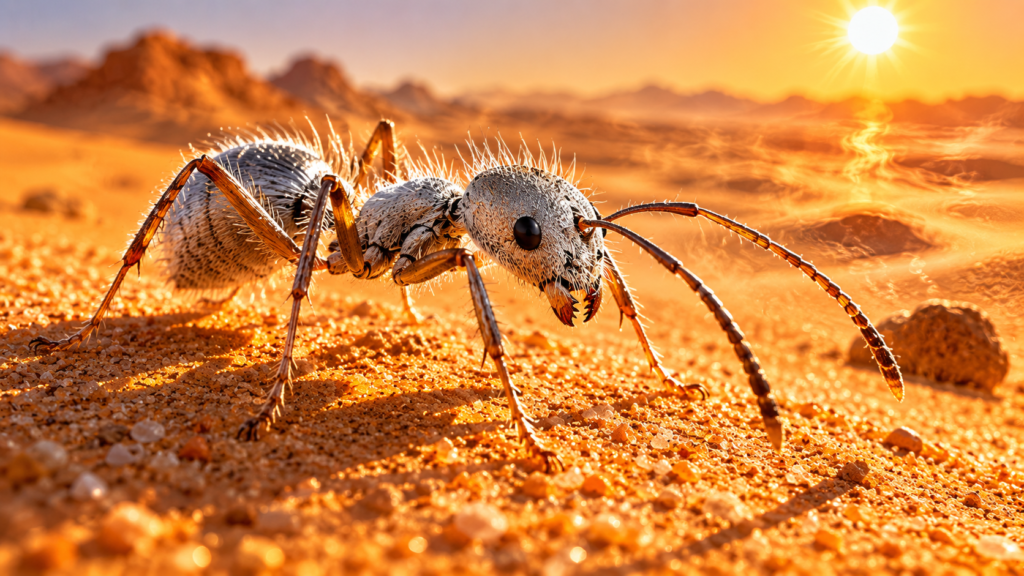
The Saharan silver ant comes out onto the desert surface at times when most animals would not even consider leaving shelter.
It moves fast. Find food, then get back before the heat becomes deadly.
Its reflective body helps reduce heat absorption, while its long legs keep it farther from the blazing ground.
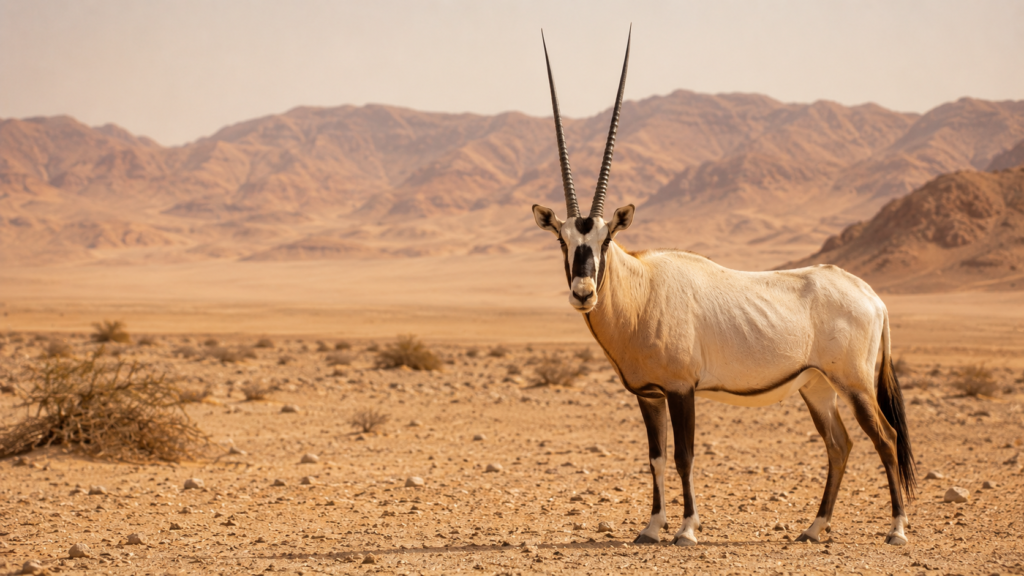
The oryx that saves every drop of water
Oryx live in places where water can be incredibly scarce.
Their bodies are remarkably efficient at conserving moisture. They can allow their body temperature to rise temporarily instead of spending precious water on cooling too early.
It sounds strange, but sometimes survival means not fighting the heat immediately.
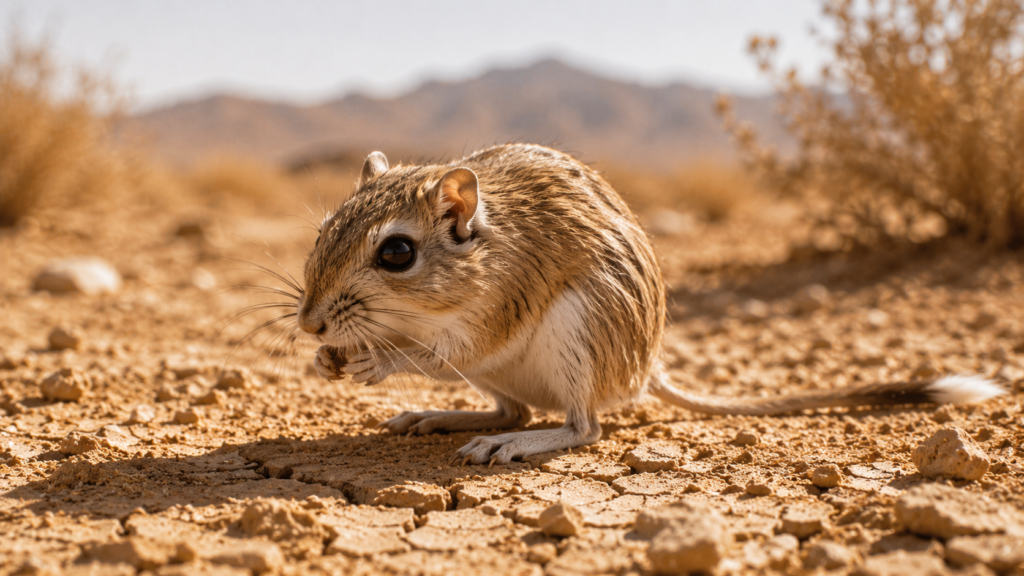
The kangaroo rat that barely drinks water
Some kangaroo rat species can survive with almost no drinking water at all.
They get much of the moisture they need from food, while their bodies are extremely efficient at conserving fluids.
During the day, they stay underground where temperatures are far lower than on the surface.
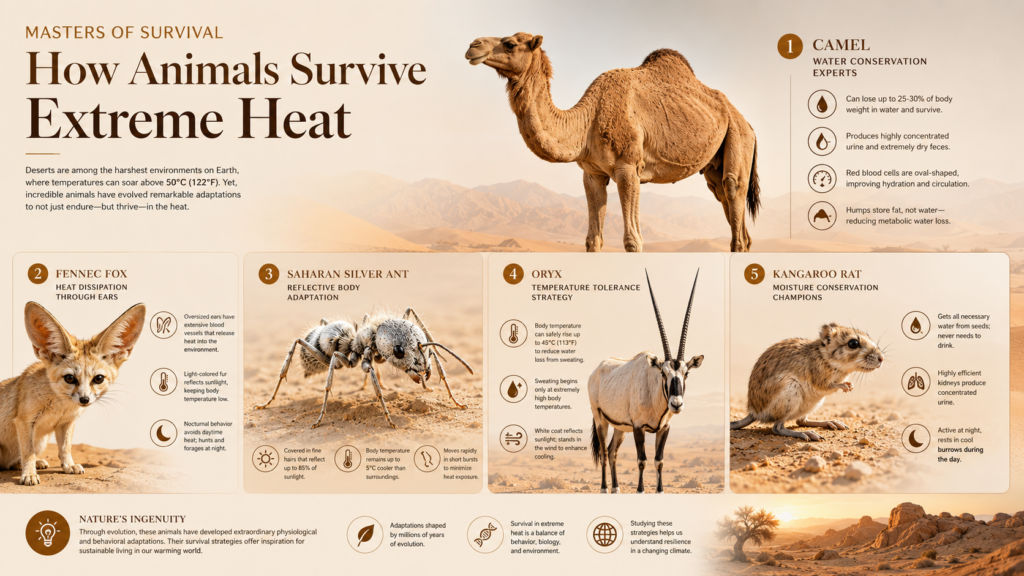
How animals survive extreme heat
Animals that survive extreme heat use very different strategies.
Some minimize water loss.
Some reflect heat.
Some temporarily allow body temperature to rise.
Others simply avoid the heat by becoming active at night.
Nature did not invent one universal survival trick. It came up with many.
Could humans adapt the same way
The short answer is no.
Humans can cool themselves through sweating, but extreme heat combined with dehydration becomes dangerous very quickly.
The animals in this article developed these adaptations over countless generations.
Why this matters
Studying these animals helps scientists better understand thermoregulation, water conservation, climate resilience, and even ideas that could inspire engineering solutions.
Final thought
The next time a hot summer day feels unbearable, remember that somewhere in the desert, a tiny ant is calmly crossing a surface that seems completely impossible for life.
Enjoyed this article?
Discover more amazing wildlife stories in Animals That Can Survive Being Frozen and Animals That Look Like They Are Smiling.
Want even more fascinating nature content? Join our Telegram channel Wonderful World.