
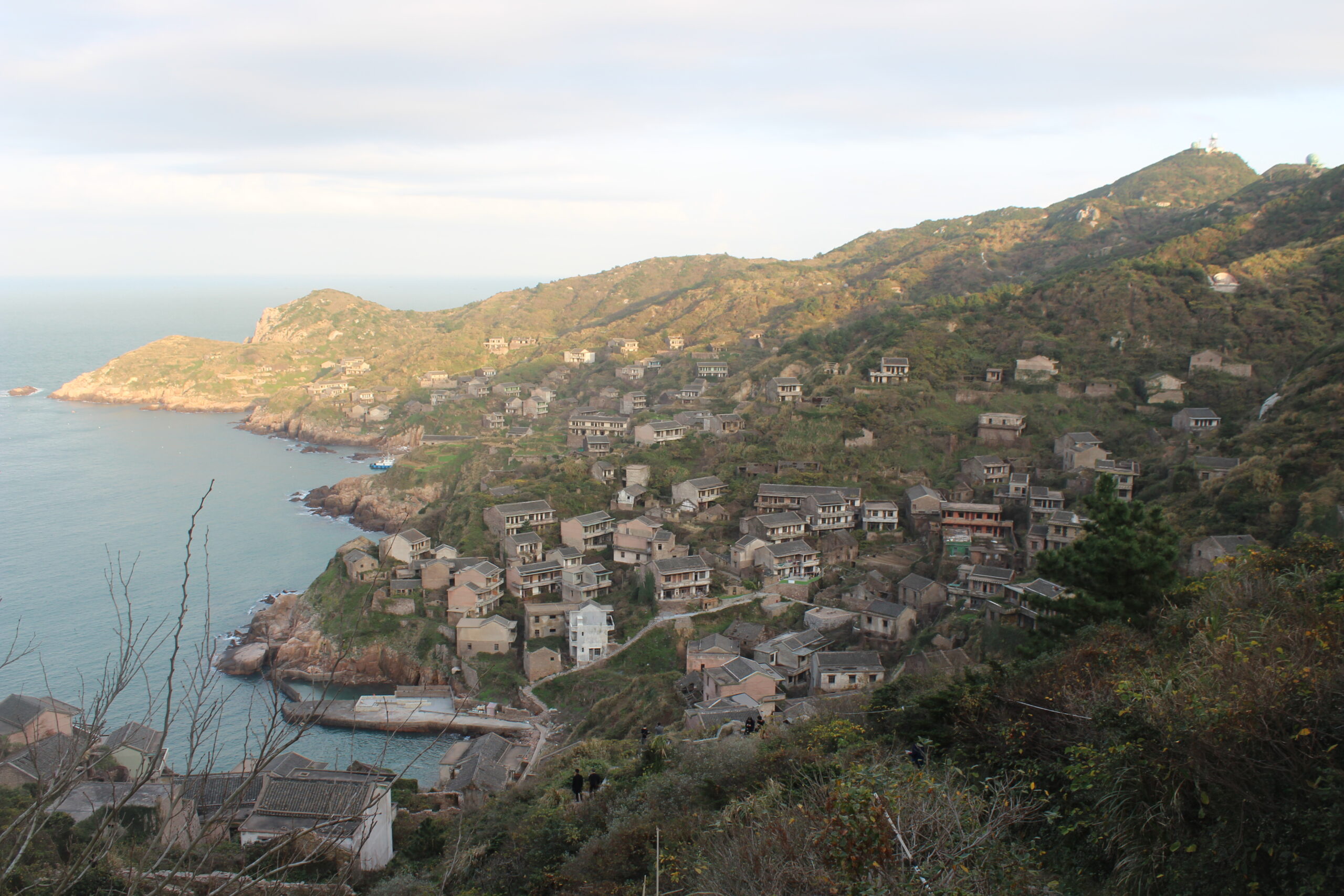
Abandoned cities often feel ancient, like they must have been empty for hundreds of years. In reality, that’s not always true. Sometimes it only takes a few decades. Once people leave, cities start breaking down much faster than we expect.
These places didn’t vanish overnight. They weren’t wiped out by a single disaster. People left them step by step – because of wars, economic collapse, disease, climate shifts, or one critical event. After that, the pattern is usually the same: no maintenance, no repairs, no systems keeping things together. And then the environment steps in.
Below are real cities from different parts of the world and different eras. Each one has its own story, solid facts, and a few myths that appeared later.
Angkor – a megacity that collapsed when water failed
History
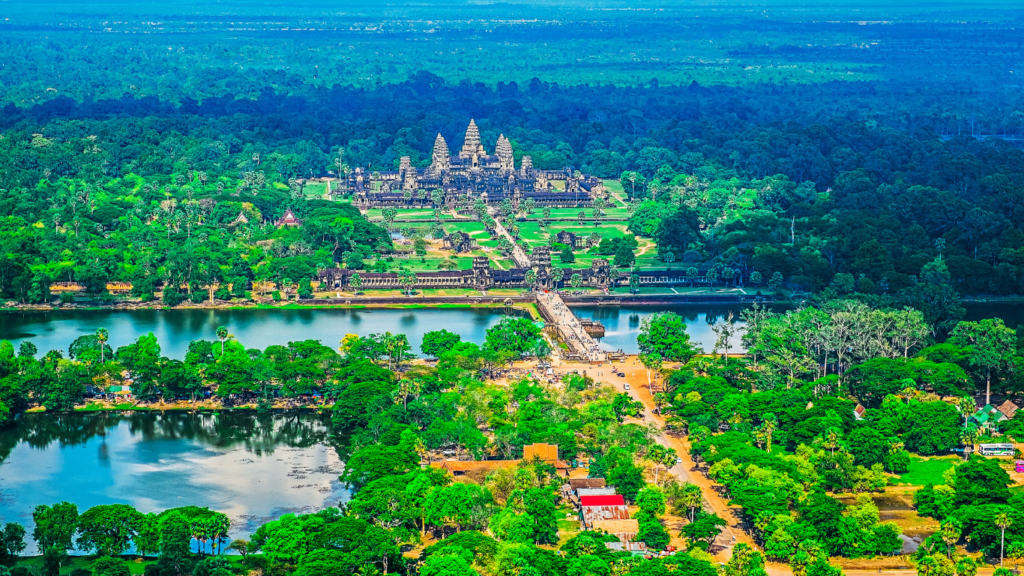
Angkor began taking shape in the 12th century as the capital of the Khmer Empire. Its most famous symbol is Angkor Wat, built around 1150 under King Suryavarman II. It’s the largest religious monument in the world, covering more than 160 hectares.
At its peak, Angkor was home to up to one million people – more than any European city at the same time. This wasn’t just a temple complex, but a fully functioning megacity with advanced infrastructure.
Facts
Angkor survived thanks to a massive system of canals, dams, and reservoirs. For centuries, it controlled water during both monsoon floods and long dry seasons. After the 15th century, the city slowly began to empty out. Wars, shifting trade routes, and climate instability weakened the region. Once the water system stopped being maintained, everything unraveled quickly. In a humid tropical climate, vegetation moved in fast, filling streets and wrapping itself around temples. Today, Angkor is a UNESCO World Heritage Site.
Myths
Local legends say the city was abandoned because the gods punished arrogant rulers. Archaeology points to something far less dramatic – a complex system that couldn’t survive without constant human care.
Machu Picchu – the Inca city no one found in time
History
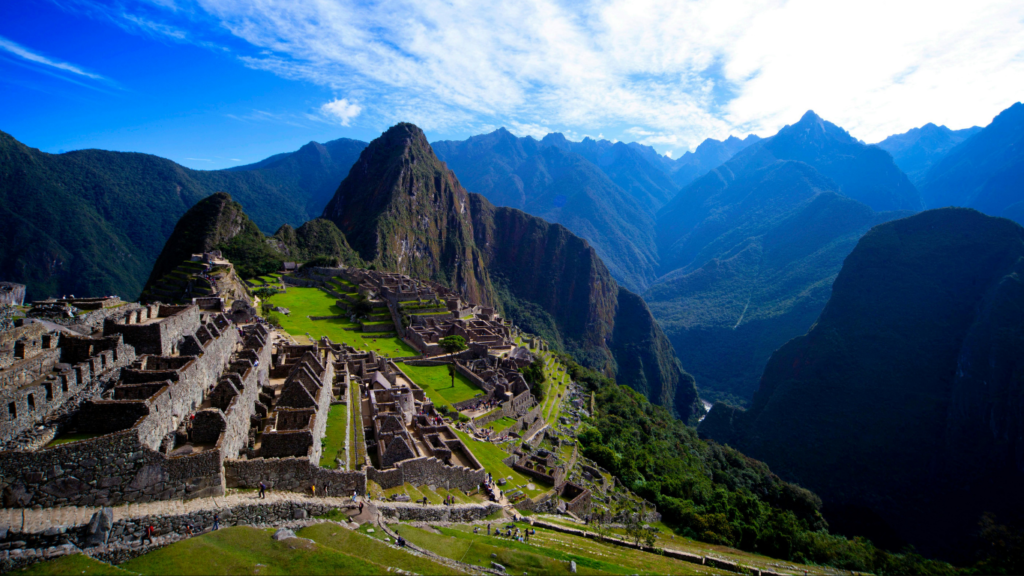
Machu Picchu was built in the mid-15th century during the reign of Pachacuti, one of the most powerful Inca rulers. It sits high in the Andes, about 2,400 meters above sea level. Scholars still debate its purpose, but most agree it was either a royal retreat or an important religious site.
The city was occupied for only a few decades. After the Spanish arrived, the population disappeared, likely due to disease and the collapse of central Inca authority. The Spaniards never found the site.
Facts
Machu Picchu was engineered with extreme precision. Stone blocks were fitted without mortar yet proved highly resistant to earthquakes. Agricultural terraces stabilized the slopes, while hidden drainage systems handled heavy rainfall. After people left, vegetation slowly covered the site, but that same isolation protected it from looters and destruction. For more than 400 years, Machu Picchu stayed largely unnoticed.
Myths
It’s often called the “Lost City of the Incas,” but locals always knew it was there. It was only lost to the outside world.
Petra – a city that lost its trade
History
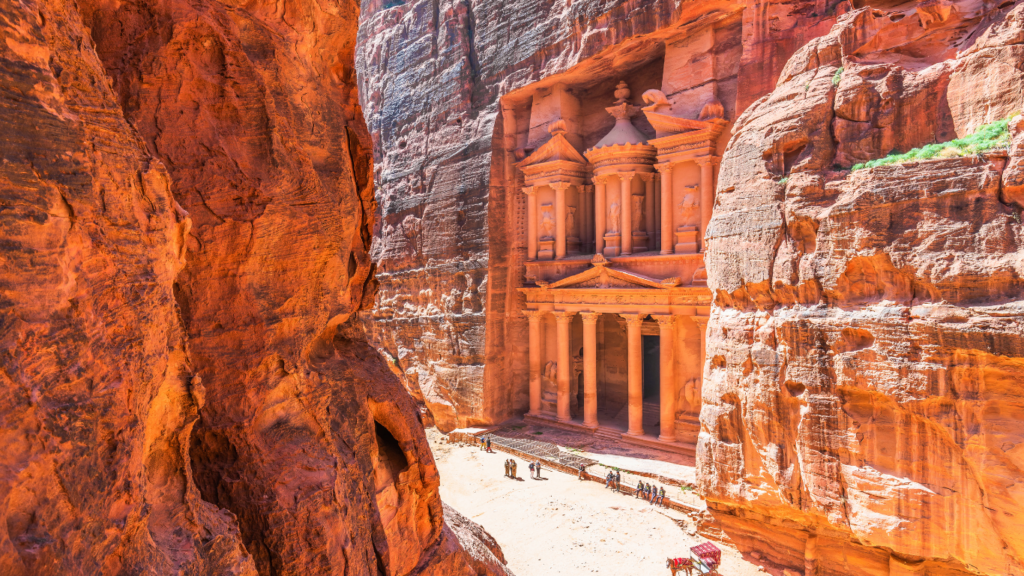
Petra was founded over 2,000 years ago and became the capital of the Nabataean Kingdom. Its golden age came between the 1st century BCE and the 1st century CE, when it controlled major trade routes moving incense, spices, and textiles between Arabia, Egypt, and the Mediterranean.
As trade routes shifted, Petra’s importance faded. Earthquakes in the 4th and 6th centuries severely damaged its water systems, and the population gradually moved away.
Facts
Petra was carved directly into sandstone cliffs and relied on a complex water-collection network. When trade collapsed, maintaining that infrastructure no longer made sense. Wind, sand, erosion, and seasonal floods accelerated its decline. The city never vanished completely, but it became isolated and hard to reach for centuries.
Myths
Bedouin legends claim the rock façades hide the treasures of a pharaoh. Bullet marks on some monuments come from attempts to break the stone and release the imagined gold.
Pripyat – a city abandoned in one day
History
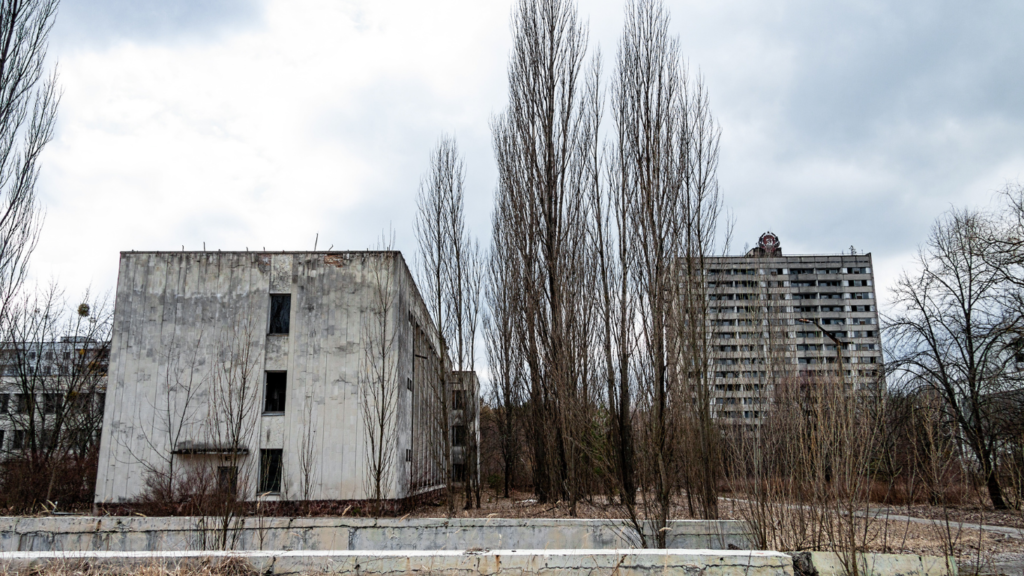
Pripyat was founded in 1970 as a model city for workers of the Chernobyl Nuclear Power Plant. Around 49,000 people lived there, mostly young families and specialists.
On April 26, 1986, the Chernobyl disaster occurred. The next day, residents were evacuated and told they would return soon. They never did.
Facts
With no maintenance, Pripyat began falling apart faster than expected. Over the decades, roads cracked, roofs collapsed, and trees grew inside apartment blocks. Wildlife moved into empty neighborhoods. Pripyat became a rare real-world example of what happens to a modern city after 30 – 40 years without people.
Myths
There’s a popular idea that nature has fully healed the area. In reality, radiation is still present, and the return of wildlife doesn’t mean the zone is safe for humans.
Kolmanskop – a city buried by sand
History
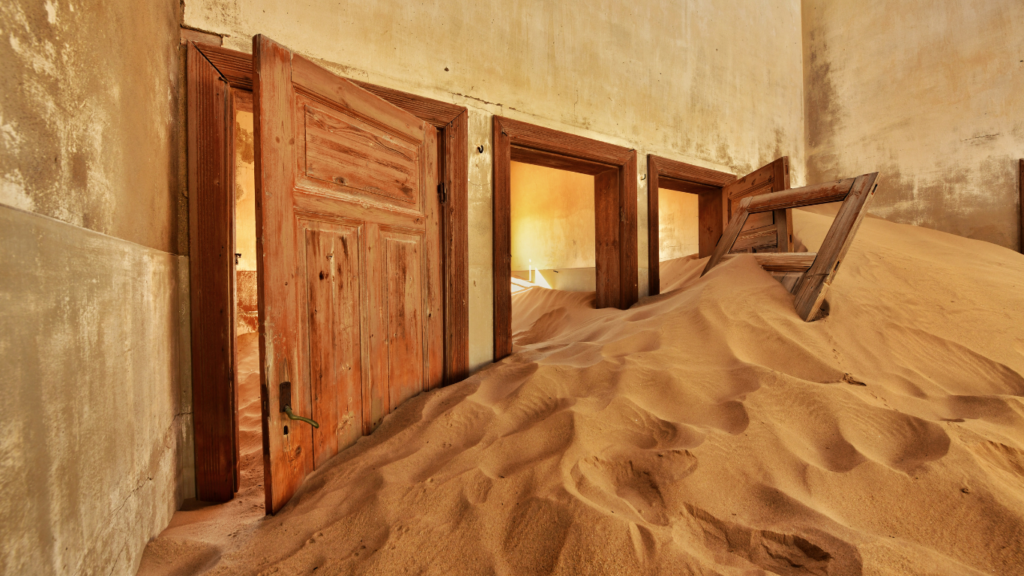
Kolmanskop appeared in the early 20th century in what is now Namibia, after diamonds were discovered nearby. At its peak, the town had electricity, a hospital, a school, and even a theater – unusually advanced for its location.
When diamond deposits ran out, mining shifted elsewhere. By the 1950s, Kolmanskop was completely abandoned.
Facts
The Namib Desert moved in almost immediately after people left. Sand poured through windows and doors, filling buildings room by room. Without maintenance, structures decayed quickly. Today, many houses are half-buried or entirely filled with dunes, but their layouts remain clearly visible.
Myths
Local stories talk about a curse caused by the greed of early diamond miners. The real reason is simpler: once the money was gone, the city had no purpose.
What all these cities have in common
These cities were built for different reasons and in different eras, but they disappeared in similar ways. Once people left and infrastructure stopped being maintained, cities quickly lost their structure. Climate, plants, sand, and moisture only sped things up.
Abandoned cities aren’t mysteries or anomalies. They’re what happens when the reason for a city’s existence disappears.
👉 Want to explore another unreal place on Earth? Read our article Socotra – The Alien Island That Exists on Earth
👉 Follow Wonderful World on Telegram for more real places, forgotten cities, and stories from around the planet.