
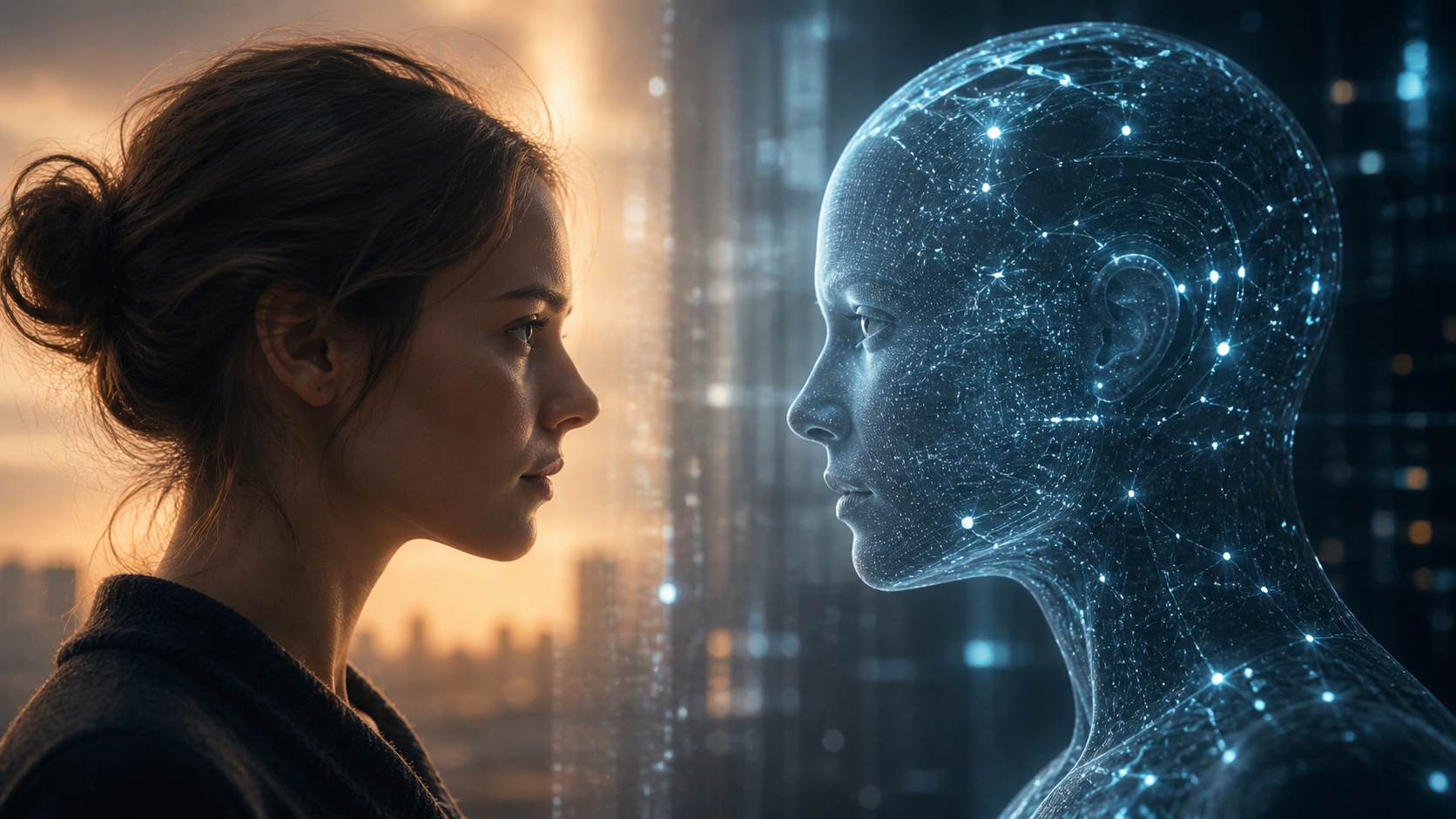
The fear of what we do not fully understand
Every major technological shift begins with uncertainty. It is almost instinctive. When something new appears and starts changing familiar patterns, the first reaction is rarely excitement. It is caution. Sometimes it becomes fear, especially when the change touches work, identity, and daily life.
Artificial intelligence is at that exact point today. People talk about it everywhere, but full understanding is still catching up. Some are impressed by what it can do, others are worried about where it might lead. Most people feel something in between. Something important is happening, and it is not entirely clear what comes next.
The same questions keep coming up. Will it replace jobs. Will it become smarter than humans. Can we trust it. Behind those questions is a deeper feeling. We are not completely sure we are in control.
And that feeling is not new.
When electricity felt like a threat
Today electricity feels natural. It is so deeply built into everyday life that we barely notice it. Lights, devices, infrastructure. Everything runs quietly in the background.
But when electricity first appeared, people were not comfortable with it. Many thought it was dangerous and unnatural. Some believed it could harm the human body. Others simply did not see the need for it, because life already worked without it.
Over time that changed. People started to see clear benefits. Streets became safer with lighting. Work became faster. Daily routines became easier. Gradually fear turned into acceptance, and then into habit.
At some point electricity stopped being a new technology and became a foundation of modern life.
Robots and the fear of being replaced
A similar pattern happened with robots and automation. When machines began to perform tasks faster and more precisely than humans, it raised real concerns. It felt like people might become unnecessary.
Some jobs did disappear. That is true. But something else happened at the same time. New roles appeared. New skills became valuable. Entire industries formed around managing, designing, and improving these systems.
Robots did not eliminate humans. They changed what humans do.
That pattern matters.
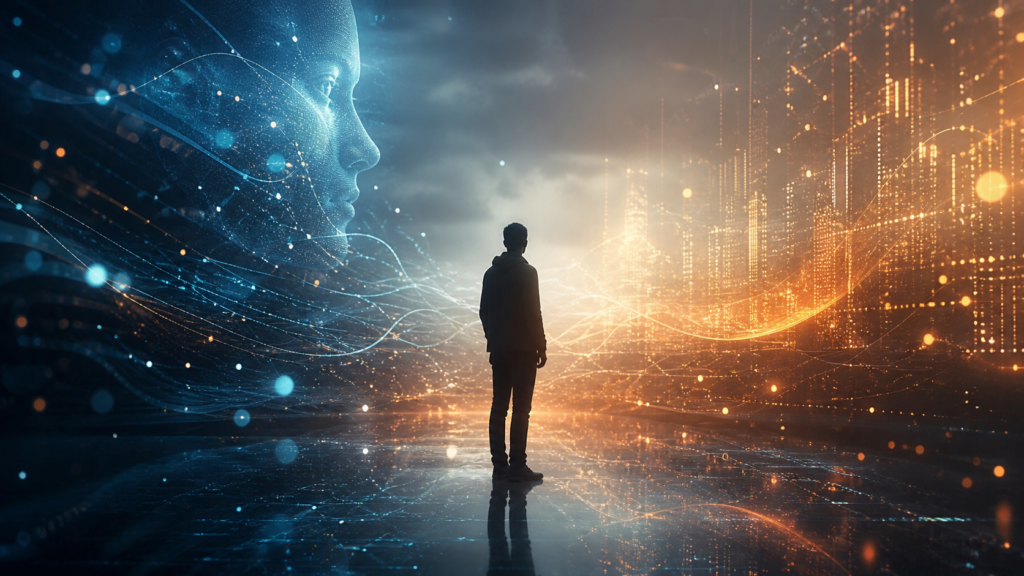
Artificial intelligence today
Artificial intelligence follows the same pattern, but at a much faster pace. Changes that used to take decades now happen within a few years. That speed makes everything feel less stable and harder to process.
Today AI helps write text, generate images, analyze large amounts of data, support learning, and assist in medicine. It is already part of everyday life, even when we do not consciously notice it.
This creates a strange paradox. We are afraid of a technology that we are already using.
Fears that should not be ignored
Concerns about artificial intelligence are not imaginary. They are grounded in real changes. Questions about jobs, responsibility, and trust in algorithmic decisions are still open.
Some roles will change or disappear. Decisions made by systems can be hard to explain. It is not always clear who is responsible when something goes wrong. It is also important to recognize that the technology is still evolving. Errors and limitations are part of this stage because the systems are learning and becoming more complex.
There are reasons to expect progress. Models improve, oversight tools are being developed, and regulation is slowly catching up. Still, this takes time, and that gap between capability and understanding creates tension.
These concerns deserve attention. Ignoring them would be a mistake.
But there is another side that receives far less attention.
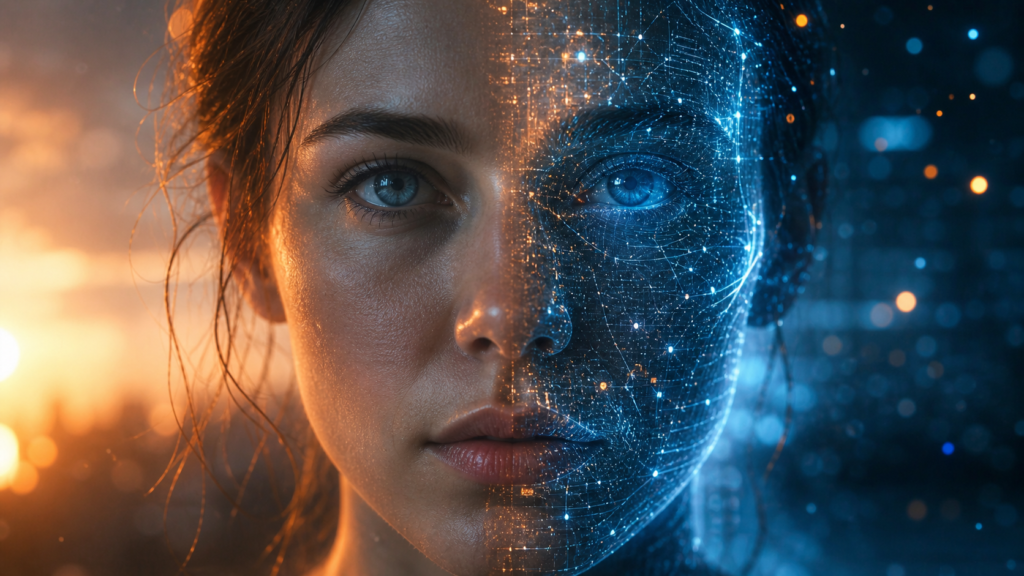
The benefits we do not always notice
Artificial intelligence is already creating value in ways that often go unnoticed because they do not feel dramatic. We tend to adapt quickly to convenience and stop seeing it.
In healthcare, AI helps doctors analyze data faster and make more accurate assessments. In education, it explains complex ideas in simple terms and adapts to different learning styles. In everyday work, it reduces repetitive tasks and frees up time for more meaningful work.
It also lowers the barrier to creativity. People can write, design, and experiment without needing large resources. Ideas move faster from concept to execution.
These changes are real. They are just quieter than the fears.
Finding the balance
Every major technology goes through a similar cycle. First comes fear, then resistance, then gradual acceptance, and finally integration into everyday life.
Artificial intelligence is somewhere between fear and acceptance. We are already using it, but we are still figuring out how it fits.
The key question is not whether it is good or bad.
The real question is how we choose to use it.
Conclusion
Technology itself is not inherently good or bad. It amplifies human intention. It reflects how we decide to apply it.
Artificial intelligence is no different. It carries risks and it creates opportunities at the same time. It can raise concerns and deliver real benefits.
And maybe the most honest way to look at it is simple.
The outcome does not depend on the technology alone. It depends on us.
👉 Want to continue learning? Read our article on What Happens If the Internet Disappears for 24 Hours.