
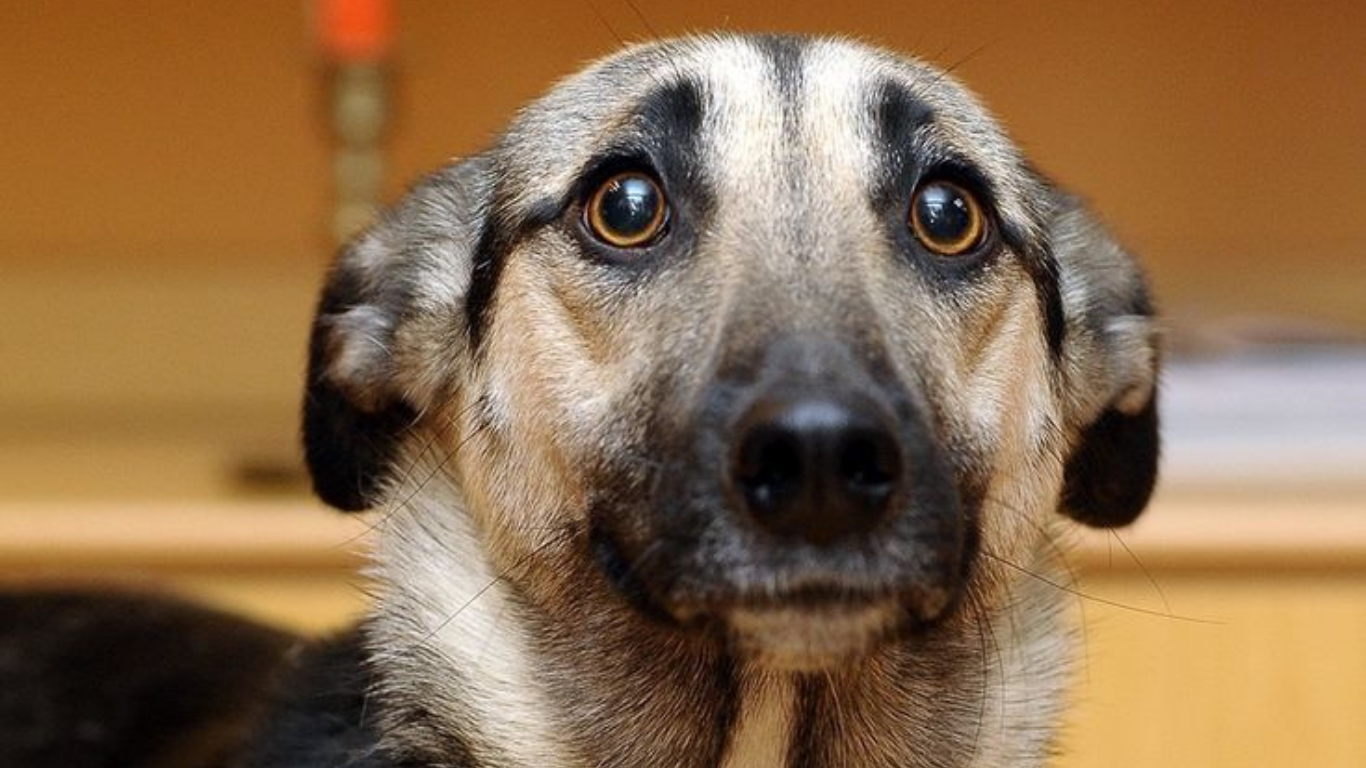
You come home. Your shoes are chewed up, a pillow is torn apart, and the room is a mess. The dog sits in the corner with its ears down, avoiding eye contact. Almost instantly a thought appears: it knows it did something wrong. We call that guilt. But do animals actually feel guilt, or are we reading their behavior through a human lens?
For a long time, science avoided questions like this. Animal behavior was explained as simple stimulus and response, without inner life or reflection. Today that view has changed. We know animals feel fear, attachment, stress, and even forms of empathy. But guilt is a different level entirely, and this is where things get complicated.
The Guilty Look That Is Not About Guilt
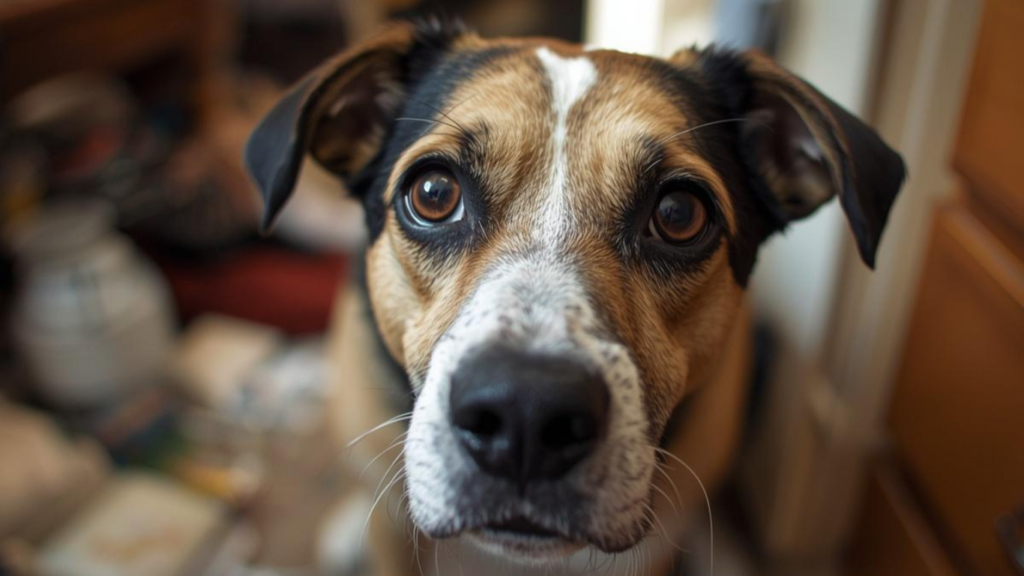
The most famous “evidence” of guilt comes from dogs: the lowered head, tucked ears, and avoidance of eye contact. However, experiments tell a different story. In one study, dogs were told not to eat a treat and then left alone. Sometimes they disobeyed, sometimes they did not, while owners were either told the truth or deliberately misled about what the dog had done. The result was clear: dogs showed the so called guilty look not when they actually broke the rule, but when the owner acted upset. Even when a dog had done nothing wrong, if the owner scolded it, the same behavior appeared. That changes the interpretation completely.
Not Guilt, But a Survival Strategy
What we call guilt looks more like a social response to tension. The animal reads tone, posture, and emotional intensity, reacting to the current state of another individual rather than replaying a past action the way a human would. Looking away, freezing, lowering the body, and tucking the ears are signals that reduce conflict. In social species, these signals help avoid escalation and keep relationships stable. This is not remorse, but conflict management.
Is There Anything Deeper
Still, the story does not end there. Animals can remember consequences and avoid behaviors that previously led to negative outcomes. That is learning, not just a reflex. Some species also show complex social emotions: primates display empathy, dogs are highly sensitive to human mood, and many animals work to avoid conflict within a group. Even so, there is no solid evidence that animals experience guilt in the human sense, with an internal evaluation of rules and personal responsibility.
Why We Want to Believe It
We tend to look for ourselves in animals because it makes them easier to understand. If a dog feels guilt, then it must understand rules the way we do and be aware of its own actions. But reality is different. Animals live in a world of signals, responses, and social dynamics that do not require human morality.
Where the Line Is
Human guilt involves inner reflection, judgment, and an understanding of norms, requiring a level of self awareness. In animals, we see something else: they detect tension, read emotions, and adjust behavior to maintain connection and reduce conflict. That is already a high level of social intelligence.
Conclusion
Do animals feel guilt? Probably not in the human sense. But they do register consequences, learn from experience, respond to emotional cues, and adapt their behavior to keep relationships stable. If you think about it, that may be one of the building blocks from which human morality eventually emerged.
If animals react to guilt like behavior, what happens when fairness is broken?
Do they notice inequality. Do they protest it.
Read next
Do Animals Have a Sense of Fairness
Telegram
Wonderful World