
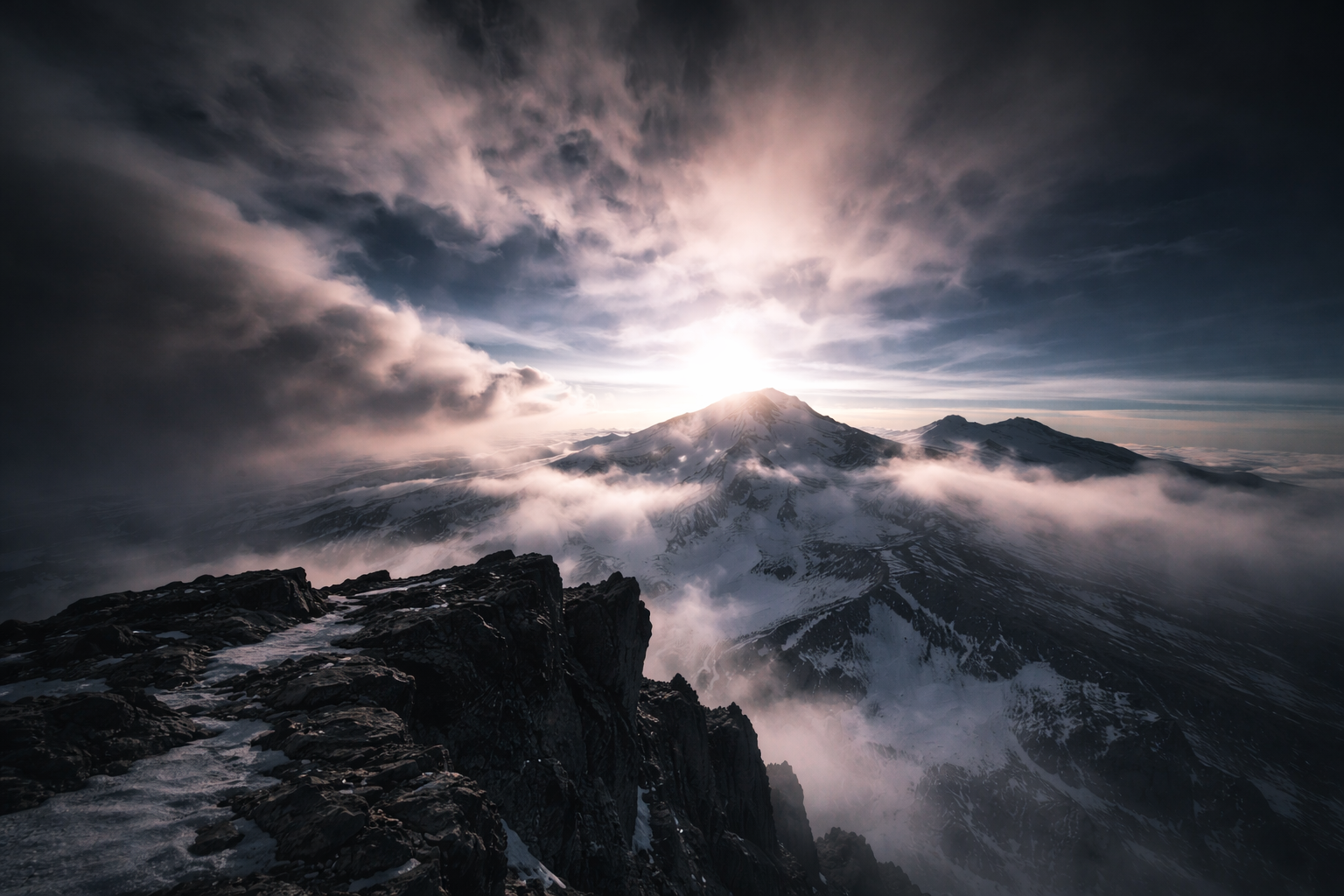
Sometimes you only need a quick look to understand it: this place wasn’t made for people. Not in a dramatic way. Not because it’s forbidden. Just because the space itself doesn’t really have room for us.
I’ve always been drawn to places like this. Not the comfortable ones. Not the beautiful postcard locations. But the ones where climate, scale, silence, or chaos quietly make it clear – you’re here on someone else’s terms. And if humans show up at all, it’s never for long.
This isn’t about survival stories or heroics. I’m not trying to prove that humans shouldn’t go there. What interested me was something simpler: why in some landscapes we feel confident and at home, while in others we immediately feel a limit.
Antarctica – a continent without people
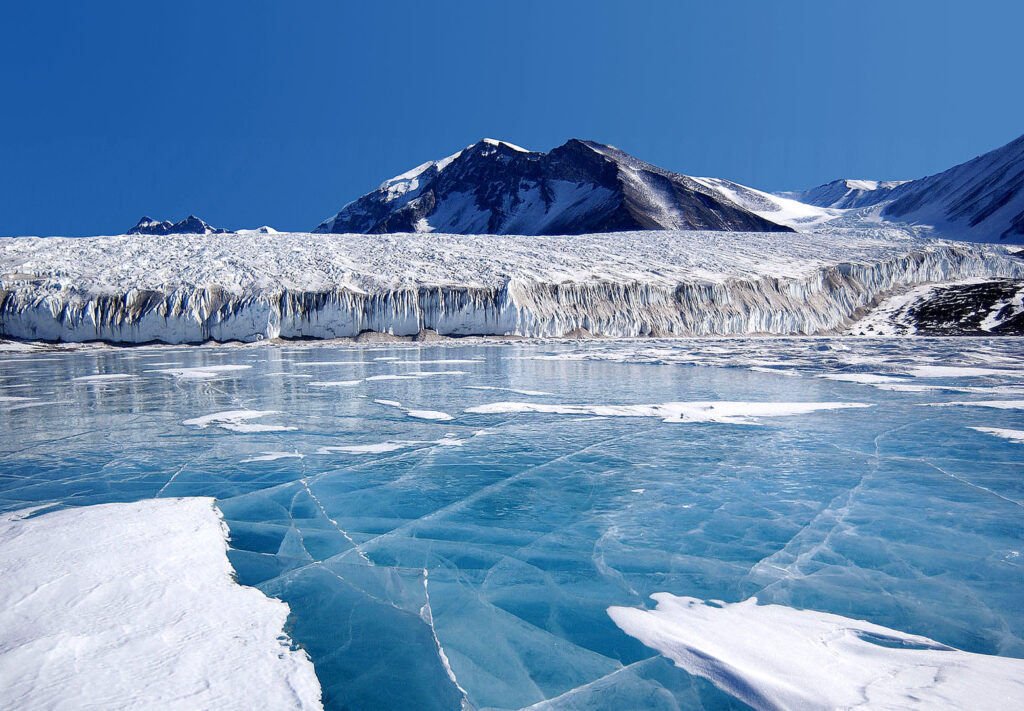
By Joe Mastroianni, National Science Foundation – From Antarctic Photo Library: LAKEFRYXELL.JPG, Public Domain, https://commons.wikimedia.org/w/index.php?curid=23335354
Why no one lives here
Antarctica is the only continent with no permanent population. There are no cities, no villages, no normal roads. Only research stations that exist because of constant support from the outside world.
Temperatures drop below -60°C. Winds erase anything exposed. Half the year passes in complete darkness. These aren’t conditions for living – they’re conditions for short-term survival.
What it feels like to be there
In Antarctica, humans stop being the reference point. You can’t control much here and you can’t bend the place to your needs. You either follow its rules or you leave.
Death Valley – where life hangs on by a thread
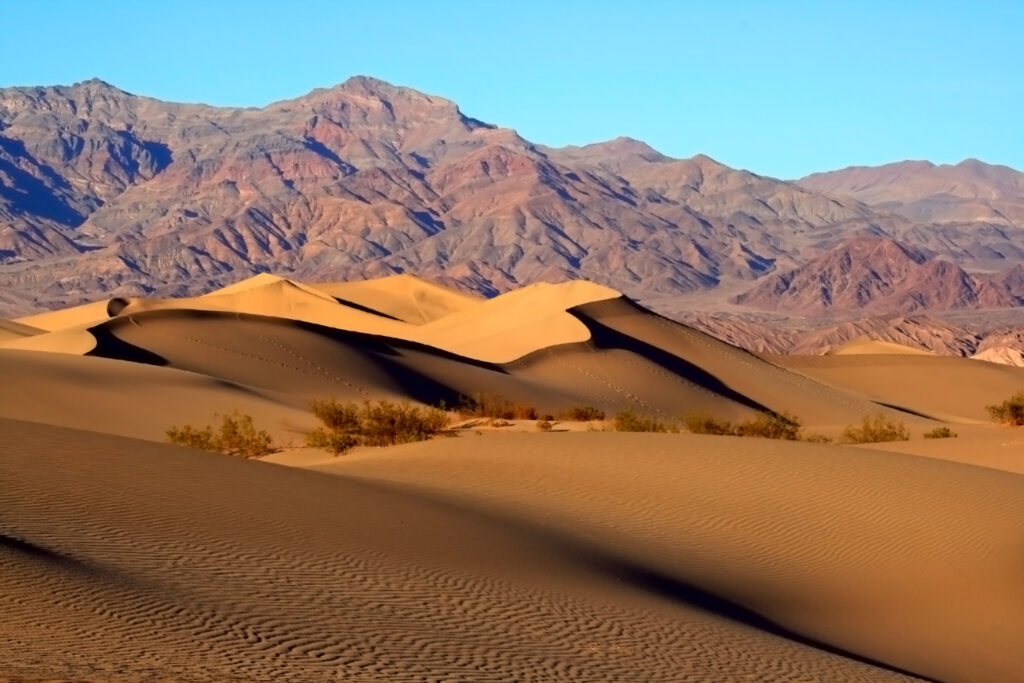
By Brocken Inaglory – Own work, CC BY-SA 3.0, https://commons.wikimedia.org/w/index.php?curid=5990426
Why living here is almost impossible
Death Valley in the United States is one of the hottest places on Earth. In summer, temperatures regularly pass 50°C. There’s almost no rain, very little shade, and huge empty distances.
Yes, people visit. But living here full-time means fighting the environment every single day.
A clear sense of limits
Places like this show one simple thing very quickly: comfort is not the default setting of the world. It only exists where nature allows it.
Salar de Uyuni – a place without reference points
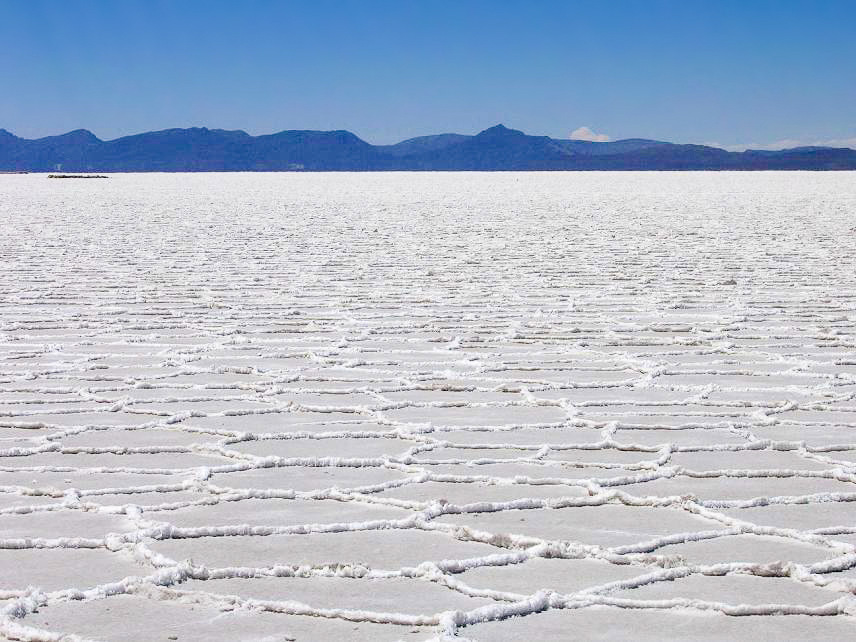
By Anouchka Unel – Own work, FAL, https://commons.wikimedia.org/w/index.php?curid=519745
Why people get lost here
Salar de Uyuni in Bolivia is the largest salt flat on the planet. During the rainy season, it turns into a massive mirror where the horizon disappears completely.
Without visual reference points, people lose their sense of space fast. Even experienced drivers rely on instruments to avoid getting lost.
What happens to perception
Places like this show how dependent we are on familiar visual cues. When those cues vanish, confidence goes with them.
Iceland’s volcanic fields – land with no compromises
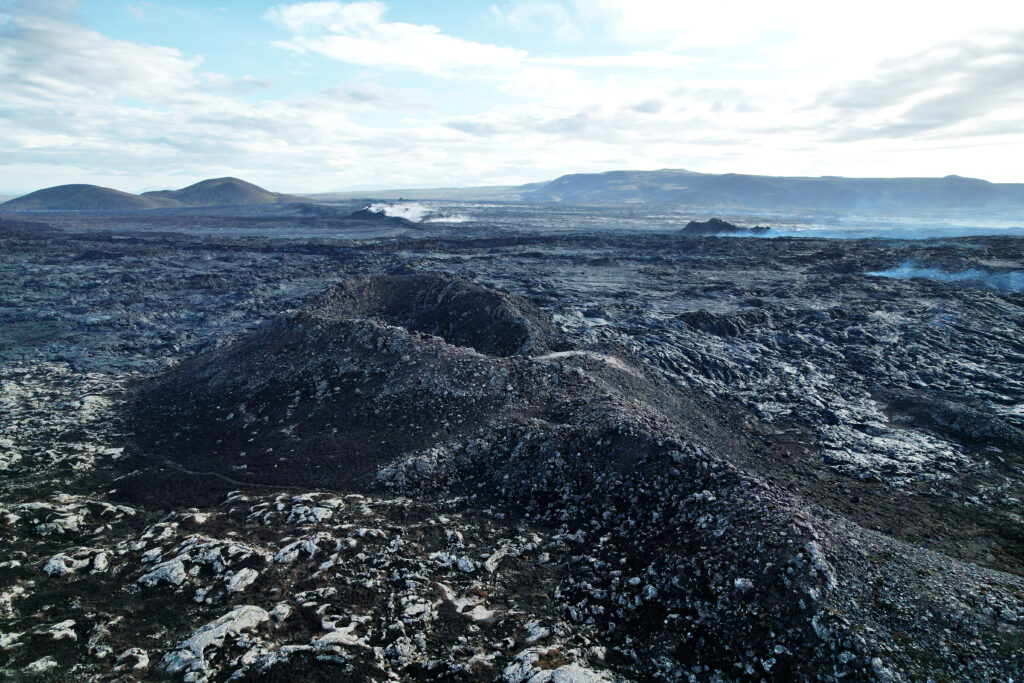
By Steinninn – Own work, CC BY 4.0, https://commons.wikimedia.org/w/index.php?curid=151428005
Why everything here is temporary
Lava fields in Iceland look unfinished, like the ground hasn’t decided what it wants to be yet. Rock, steam, cracks, moss – everything feels unstable.
Roads, buildings, and routes exist only until the next eruption or shift underground.
Humans as observers
In places like this, you don’t participate. You watch. And you don’t get a say in how things work.
Deep caves – spaces not built for us
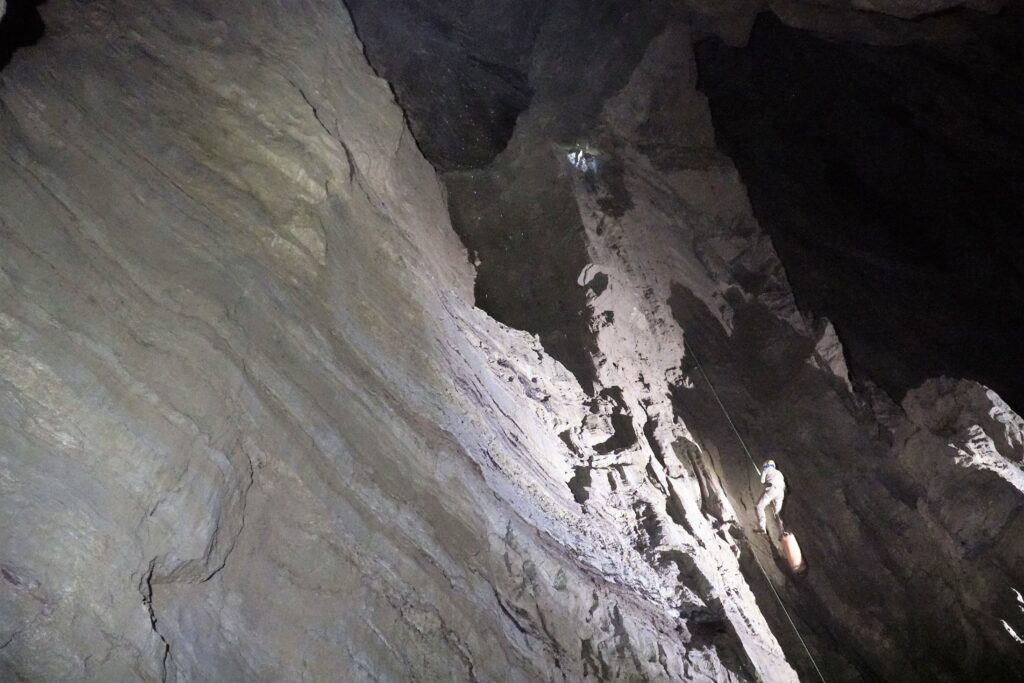
By Petr Lyubimov – Own work, CC BY-SA 4.0, https://commons.wikimedia.org/w/index.php?curid=75578528
Why humans don’t belong here
Deep caves are environments without light, without normal air, and without reliable orientation. Our senses don’t work properly down there – sometimes they don’t work at all.
People can only enter caves with equipment: lights, oxygen, ropes. Without constant support, a human simply can’t stay alive there. The cave doesn’t adapt to us – we have to adapt to it.
Because of that, one thing becomes clear very quickly: this space wasn’t meant for humans. We can visit, but we don’t belong.
What all these places have in common
These landscapes look completely different and sit in different parts of the world. What connects them isn’t their appearance or their extremes.
In all of them, humans lose their usual role. You can’t settle in, get comfortable, or reshape the space. You either adjust or leave. These places don’t accept us by default.
That’s where a clear boundary appears – not a philosophical one, but a practical one. There is a world that exists perfectly well without humans, and there is a human who can only enter it temporarily, under strict conditions.
That’s probably why places like these leave such a strong impression. They show, very clearly, where our influence ends and where someone else’s rules begin.
👉 Want to explore places where isolation defines everyday life?
Read The Most Isolated Places on Earth.
👉 Follow Wonderful World on Telegram for more places where nature, space, and limits shape how we live and move through the world.