
Sometimes all it takes is being in the wrong place at the wrong time – or maybe the right place and the world suddenly stops making sense.
Nothing dramatic happens. No disaster. No chaos. Nature just behaves in a way that feels off. Like it’s playing by rules you were never told about.
We like things to be explainable. Rain comes from clouds. Lightning is electricity. The ocean moves in waves. But every now and then, something happens that doesn’t fit this tidy picture. And the first instinct is to look for a trick.
The thing is – there is no trick.
Everything below is real. These phenomena have been filmed, measured, and observed by scientists, travelers, pilots, farmers, and people who simply happened to be nearby at the right moment. That’s exactly what makes them so compelling.
Fire Whirls – when fire starts moving on its own
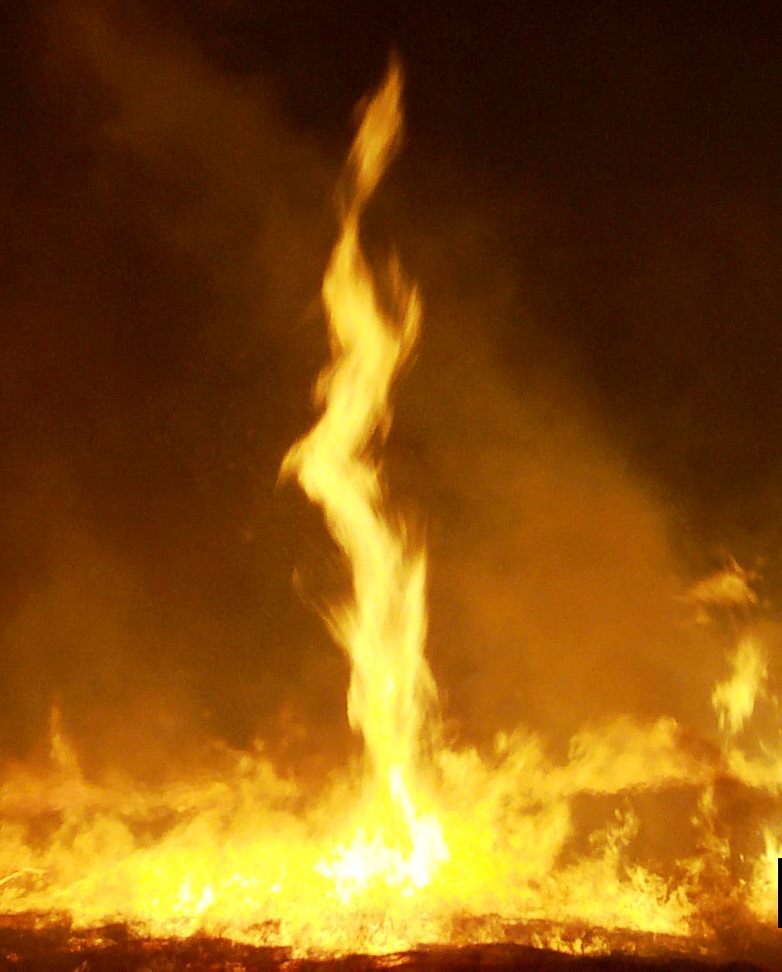
By U.S. Fish and Wildlife Service; cropped by Beyond My Ken (talk) 00:25, 17 September 2015 (UTC) – http://images.fws.gov/default.cfm?fuseaction=records.display&CFID=5483993&CFTOKEN=26795309&id=D3E923D7%2DAFD7%2DE518%2D0289704F3021D5CD, Public Domain, https://commons.wikimedia.org/w/index.php?curid=43317772
During large wildfires, something unsettling can happen. Fire stops behaving like fire.
Instead of spreading along the ground, flames rise, twist, and pull themselves into a rotating column. People who see a fire whirl for the first time often think it’s an illusion – until it keeps moving.
Fire whirls form when intense heat creates strong upward air currents, and wind adds rotation. Temperatures inside these spinning columns can exceed 1,000 degrees Celsius.
What makes them especially dangerous is how unpredictable they are. A fire whirl can change direction, grow stronger, or disappear in seconds. There’s almost no way to predict when one will form.
Red Rain – when everything turns the wrong color
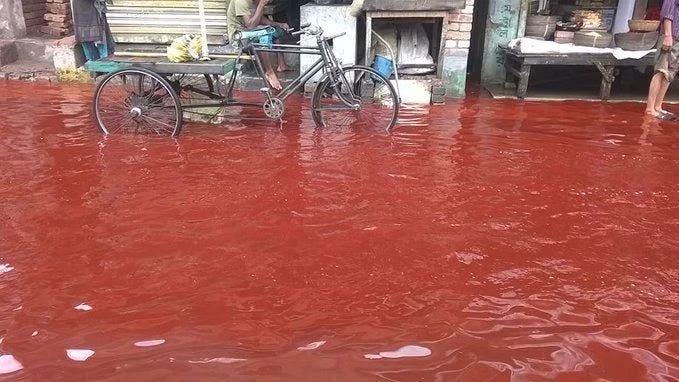
Streets coated in a blood-like red substance after mysterious ‘red rain’ falls over India. (Image via Heute.at)
In some parts of the world, people have stepped outside after a rainstorm and stopped in place. Cars, rooftops, streets – everything was stained red.
Events like this have been recorded in India, Italy, Spain, and parts of the Middle East. Every time, they sparked confusion and concern.
The explanation is surprisingly simple. Tiny particles – desert dust, fungal spores, or microscopic algae – get lifted into the atmosphere and mix with rain clouds. Sometimes that dust travels thousands of kilometers before falling back down.
The rain itself is usually harmless. Still, seeing familiar streets covered in red leaves a strong impression.
Ball Lightning – electricity that doesn’t follow the rules
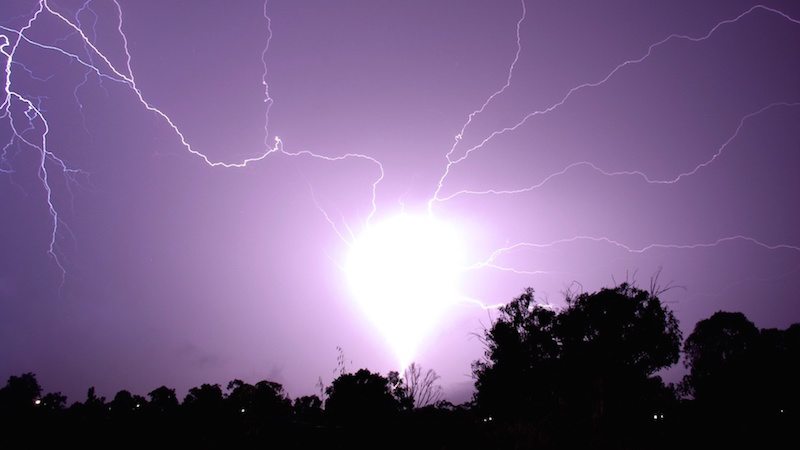
Most lightning lasts a fraction of a second. A flash, a sound, and it’s gone.
Ball lightning is different.
People have described glowing spheres drifting slowly through the air, floating into rooms, passing through windows, and vanishing without a trace. Sometimes they last several seconds. Sometimes longer.
Scientists still debate what exactly ball lightning is made of. What’s clear is that it’s been observed too many times to ignore and it doesn’t behave like normal lightning at all.
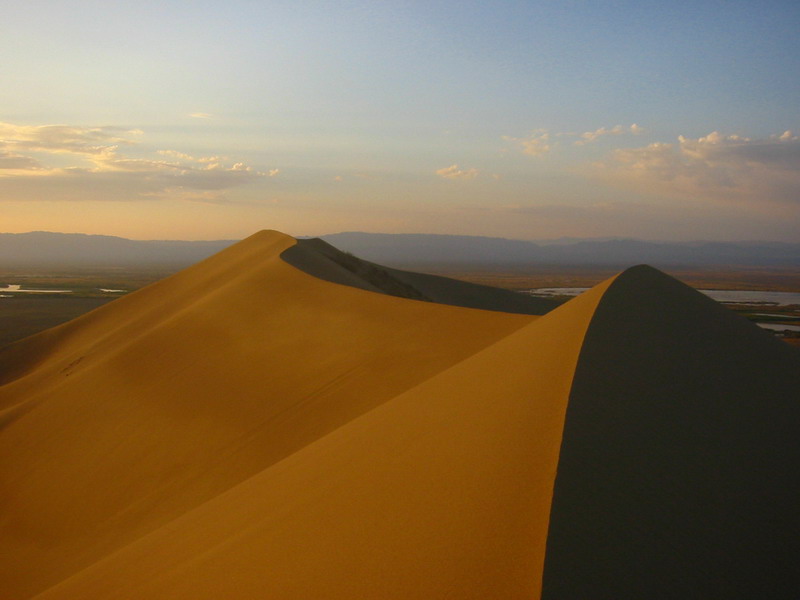
Singing Sands – dunes that make sound
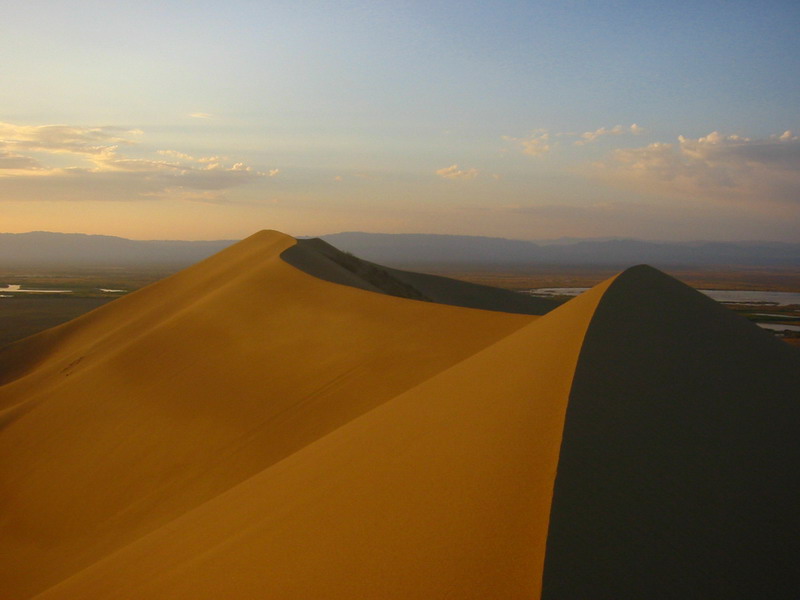
By Jonas Satkauskas – http://satkauskas.com, Attribution, https://commons.wikimedia.org/w/index.php?curid=1848488
People usually stop walking when they hear it. Not because of heat or exhaustion.
You take a step down a sand dune and suddenly there’s a deep, vibrating hum under your feet. Not a rustle. Not a crunch. Something closer to a distant engine or a low musical note.
This happens when very dry sand grains of similar size start sliding downhill together. Their synchronized movement creates vibrations that get amplified by the dune itself. The entire slope begins to resonate, almost like a massive instrument.
The strangest part is how quickly it ends. One moment the dune is humming. The next, it’s silent. If you didn’t know this could happen, you might think you imagined it.
Blue Flames on Volcanoes – fire that looks unreal
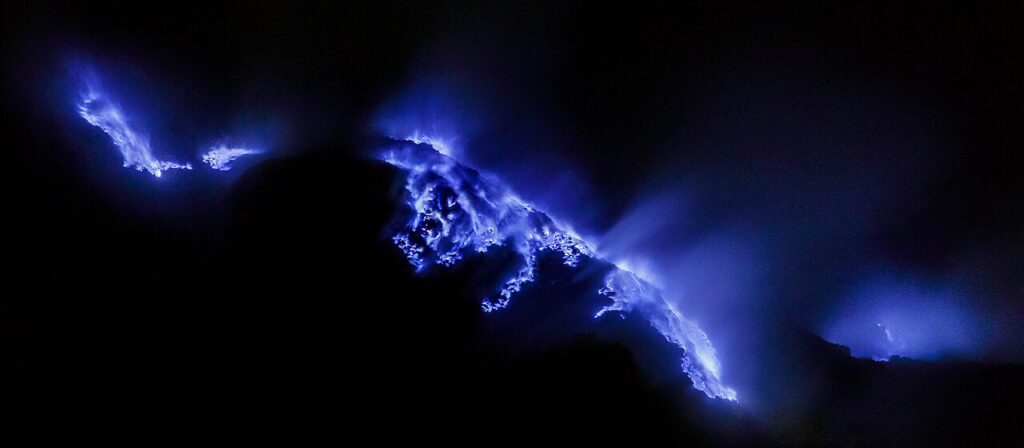
Mount Ijen – the blue fire of Mt. Ijen- taken during a photo trip to Indonesia in 2018 – by Thomas Fuhrmann – see more pictures on www.snowmanstudios.de
At night, Indonesia’s Ijen volcano puts on a scene that doesn’t look natural at all. Bright blue streams appear to flow down its slopes, like glowing lava.
It isn’t lava.
These blue flames come from sulfur gases escaping through cracks in the volcano and igniting on contact with air. The flames can reach temperatures of around 600 degrees Celsius.
During the day, the effect is barely visible. At night, the landscape looks almost alien.
Moving Stones – tracks without witnesses
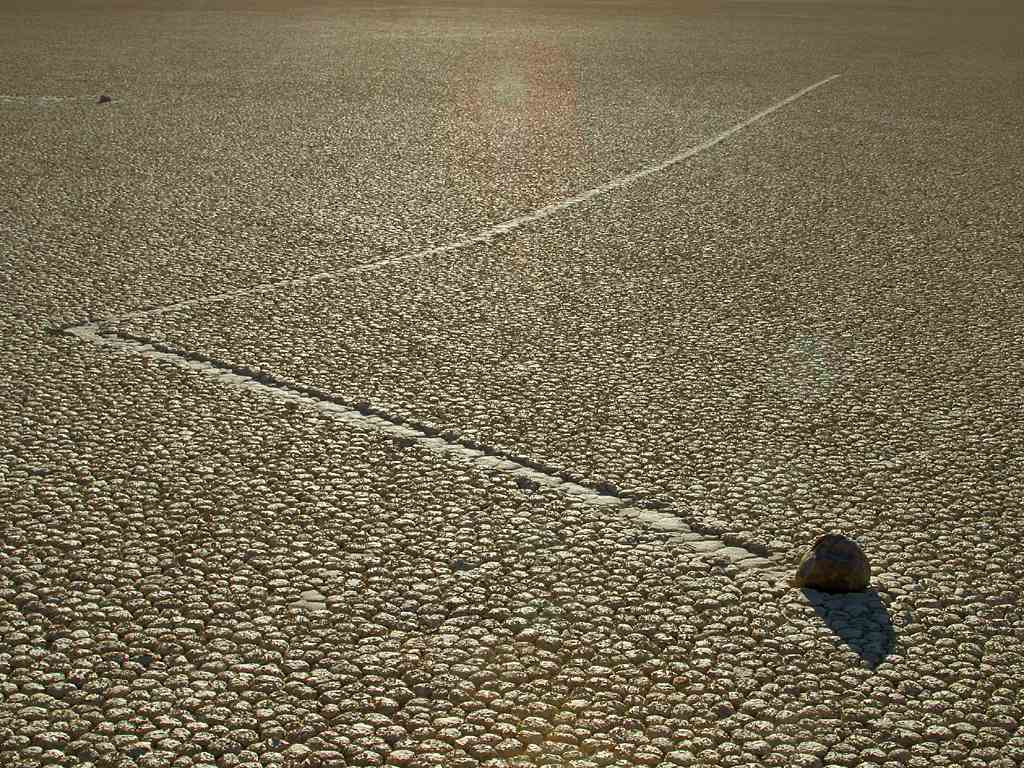
By Jon Sullivan – PD Photo.org, Public Domain, https://commons.wikimedia.org/w/index.php?curid=2238548
In California’s Death Valley, stones slide across a dry lakebed on their own, leaving long tracks behind them.
For years, no one actually saw them move. The rocks simply changed position.
Eventually, researchers discovered the cause: a thin layer of ice, a bit of water, and light wind. Under the right conditions, the stones slowly glide across the surface.
It doesn’t happen often. And that rarity is exactly why it feels so strange.
Final thoughts
Most people will never see a fire whirl or hear singing sands in person.
But almost everyone has experienced a moment when nature behaved unexpectedly – a strange sound, an unusual sky color, the feeling that something wasn’t quite right.
Those moments are where real observation begins. Not memorizing facts, but noticing when the world doesn’t act the way we expect it to.
👉 Want more moments like this? Read our article The Colors of the Earth.
👉 Want more moments like this? Follow Wonderful World on Telegram – real facts about nature and animals, shared through beautiful short videos.